How to Protect Your Pet’s Teeth This Fall

How to Protect Your Pet’s Teeth This Fall
As the crisp autumn air settles over Springfield and the leaves start to turn, many pet owners find themselves spending more time indoors with their dogs and cats. While the cooler weather brings cozy evenings and fun outdoor strolls, it is also a great opportunity to pay special attention to your pet’s dental health. At Coble Animal Hospital, located at 2525 East Sangamon Avenue, Springfield, IL 62702, we know how vital healthy teeth and gums are to your pet’s overall wellbeing. Dental issues are among the most common health problems seen in both dogs and cats, and they can progress quickly if not addressed. In this blog, we will explore essential dental care tips for pets this fall, explain the warning signs of oral health problems, and share how regular dental exams at Coble Animal Hospital can help keep your companion healthy and comfortable all season long. Whether you are new to pet dental care or looking for guidance on supporting your pet’s smile, you will find practical advice and reassurance right here.
Recognizing Dental Problems in Dogs and Cats
Your pet’s mouth can say a lot about their health, even if they do not show obvious signs of discomfort at first. Dental disease in pets often develops gradually, with subtle symptoms that may be easy to overlook during your busy daily routine. Key symptoms include persistent bad breath that does not go away after meals or treats, visible tartar buildup along the gumline, red or swollen gums, and reluctance to chew hard food or toys. Some pets may paw at their mouth, drool more than usual, or drop food while eating. Additionally, you might notice behavioral changes such as irritability, withdrawal, or decreased appetite, which can signal dental pain or infection.
In more advanced cases, tooth loss, bleeding from the mouth, or swelling along the jaw or face may develop. Cats can be particularly good at hiding oral discomfort, so pay attention to subtle clues like decreased grooming or sudden pickiness with food textures. If you notice any of these signs, it may be time to schedule a wellness examination to have your pet’s teeth and gums checked by a veterinarian.
Understanding the Causes of Pet Dental Disease
Dental disease in pets is most commonly caused by the accumulation of plaque, which is a sticky film composed of bacteria and food particles. Over time, plaque hardens into tartar, which can irritate the gums and lead to a condition known as gingivitis. Without intervention, gingivitis can progress to periodontal disease, where the infection and inflammation spread deeper into the tooth roots and supporting bone.
Factors that contribute to dental disease include age, breed, and genetics. Small breed dogs, for example, are more prone to dental issues due to their crowded teeth, while certain flat-faced (brachycephalic) breeds may have unique oral health challenges. Cats are susceptible to conditions like tooth resorption, which causes the body to break down the tooth structure from within. Diet also plays a significant role; pets that eat only soft food or do not have access to dental chews may experience more rapid plaque buildup. Finally, lack of regular dental care at home or missed professional cleanings can accelerate the progression of disease.
Professional Dental Care: What to Expect at Coble Animal Hospital
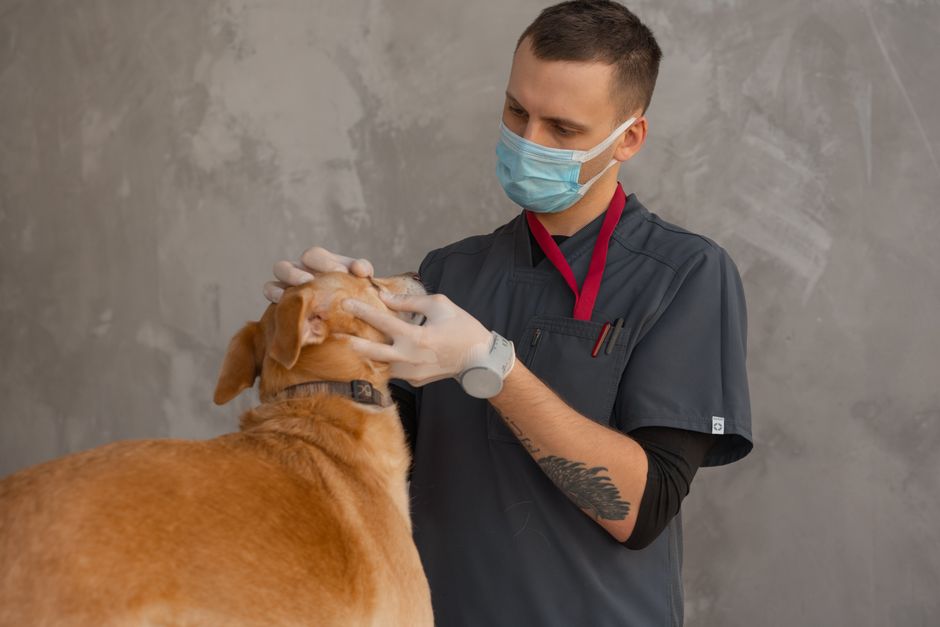
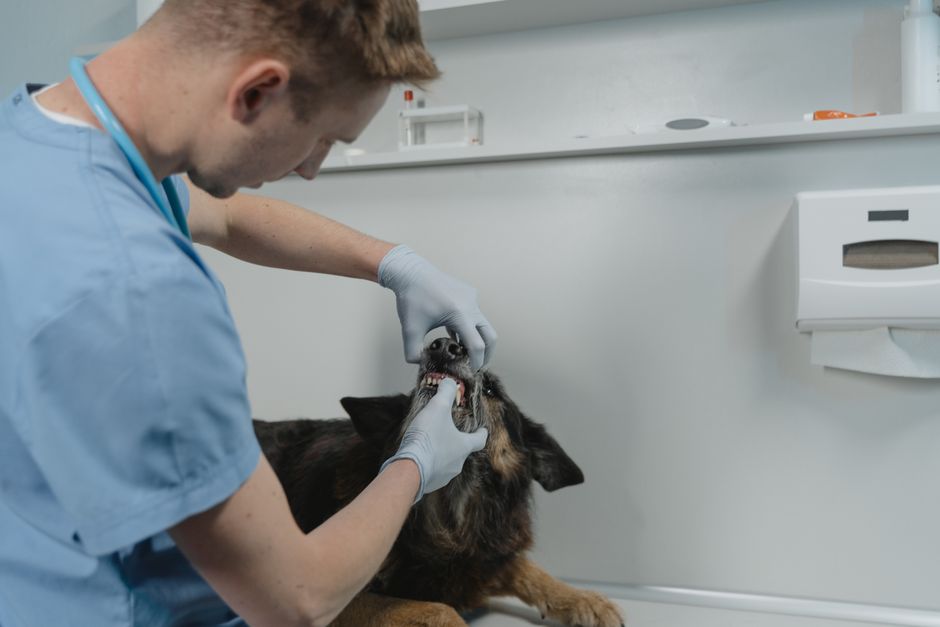
When your pet comes in for a dental evaluation at Coble Animal Hospital, our veterinary team performs a thorough oral examination to assess the health of the teeth, gums, and oral tissues. If dental disease is detected, we may recommend a professional pet dental cleaning performed under anesthesia. This procedure allows us to remove plaque and tartar not only from the visible surfaces of the teeth but also from below the gumline, where bacteria can cause the most damage.
During a dental cleaning, your pet’s teeth will be scaled to remove buildup, polished to smooth the surfaces, and examined for any loose or damaged teeth. If extractions are necessary due to severe disease, our veterinarians will discuss the process and recovery with you before proceeding. We use advanced equipment such as digital radiology to assess the roots and underlying structures, ensuring no hidden problems are missed. After the procedure, we will provide pain management, home care instructions, and recommendations for ongoing dental health maintenance. Our goal is to keep your pet comfortable, pain-free, and able to enjoy their favorite foods and activities.
Home Dental Care Tips for a Happy, Healthy Smile
While professional cleanings are vital, your daily efforts at home make a big difference in preventing dental disease. Brushing your pet’s teeth is one of the most effective ways to remove plaque before it hardens into tartar. Using a pet-specific toothbrush and toothpaste (never human toothpaste), start slowly by letting your pet taste the toothpaste and gradually introduce brushing a few teeth at a time. Consistency matters, so aim for brushing several times per week, if not daily.
If your pet is resistant to brushing, dental chews and treats formulated to reduce plaque can be helpful. Look for products approved by the Veterinary Oral Health Council (VOHC) for proven effectiveness. Providing toys that encourage chewing can also support oral health, but always supervise your pet to prevent accidental swallowing or choking. Incorporating dental diets or water additives as recommended by your veterinarian can further enhance your pet’s oral hygiene routine.
Regularly examine your pet’s mouth at home, checking for any changes in breath, gum color, or tooth appearance. Early detection of problems allows for prompt intervention and helps prevent more serious complications down the line.
When to Seek Veterinary Dental Care
It can be difficult to know when a dental problem requires professional attention. As a general rule, if you notice persistent bad breath, visible tartar, red or bleeding gums, difficulty eating, drooling, or any swelling around your pet’s face or mouth, you should schedule an appointment with our veterinary team as soon as possible. These symptoms can indicate infections, abscesses, or advanced periodontal disease that need prompt treatment.
Annual dental evaluations are recommended for most pets, with more frequent visits for those with a history of dental problems. Some pets may require dental cleanings every six to twelve months, depending on their individual risk factors and home care routine. If your veterinarian recommends tooth extraction or advanced treatment, rest assured that our experienced team will guide you through the process and provide compassionate aftercare. You can read more about our approach to pet tooth extractions if this becomes necessary for your pet’s health.
If you are unsure whether your pet’s symptoms warrant a visit, do not hesitate to call our office. Early intervention is the best way to protect your pet from unnecessary pain and prevent the spread of dental disease to other parts of the body.
Why Fall Is an Ideal Time for Pet Dental Care in Springfield
With the shift to cooler temperatures and the approach of the holiday season, fall is an excellent time to focus on your pet’s dental health. Many pets experience changes in their routine, diet, or stress levels during this season, which can influence their oral health. Scheduling a dental evaluation now can help catch any issues before winter settles in and before you become busy with holiday activities.
At Coble Animal Hospital, we often see an uptick in dental concerns during the fall months as owners become more aware of their pet’s breath or notice changes in eating habits. By prioritizing dental care this season, you are not only preventing discomfort and disease but also supporting your pet’s overall wellbeing. Our veterinary professionals are here to answer your questions, provide tailored recommendations, and create a dental care plan that fits your pet’s needs and your family’s lifestyle.
Keeping Your Pet’s Smile Bright: Next Steps
Protecting your pet’s teeth this fall is one of the best gifts you can give for their comfort and longevity. By watching for warning signs, understanding what causes dental disease, partnering with your veterinary team for professional care, and establishing a home care routine, you can make a dramatic difference in your pet’s health and happiness.
If you are looking for a trusted veterinarian near me in Springfield or surrounding communities, our team at Coble Animal Hospital is ready to help. Schedule a wellness examination or dental consultation today to ensure your pet’s mouth is healthy and pain-free. We invite you to call us at (217) 789-0011 or visit us at 2525 East Sangamon Avenue, Springfield, IL 62702 for compassionate, comprehensive veterinary care. Your pet’s wellbeing is our top priority, and we look forward to supporting you through every season.
If you have concerns about your pet’s dental health, do not delay in seeking professional advice. This blog provides general information and is not a substitute for individualized veterinary care. Always consult your veterinarian for diagnosis and treatment recommendations specific to your pet.