
How to Protect Pets From Autumn Parasites in Springfield

How to Protect Pets From Autumn Parasites in Springfield
As the leaves change and cooler temperatures settle into Springfield, many pet owners start to relax about fleas, ticks, and other parasites. However, fall is actually a critical time for parasite prevention in both dogs and cats. While summer is typically associated with peak parasite activity, many pests remain active well into October and beyond, presenting ongoing risks for your pet’s health. At Coble Animal Hospital, our veterinary team in Springfield, IL is dedicated to helping you keep your companions safe year-round. In this article, we’ll explain why autumn parasites are still a threat, how to recognize signs of infestation, and the best steps to protect your pet through the fall season. We’ll also share when it’s time to schedule a veterinary check-up and how our comprehensive services make parasite prevention easy and effective for local families.
Recognizing the Signs: Is Your Pet at Risk for Fall Parasites?
Many pet owners assume that once the first frost arrives, fleas, ticks, and other pests are no longer a problem. Unfortunately, parasites can remain active as long as temperatures stay above freezing—and even indoor pets are not completely immune. Understanding the warning signs is essential to catching problems early and keeping your pet comfortable and healthy.
Key symptoms of flea infestations include persistent scratching, biting, or licking at the skin, especially near the base of the tail or along the belly. You might notice small red bumps, hair loss, or even tiny black specks (flea dirt) on your pet’s skin or bedding. Ticks are often easier to spot during grooming; they may appear as small, dark, or engorged bumps attached to areas with less fur, such as ears, between toes, or under collars. Some pets develop mild swelling or redness around the bite site.
Intestinal parasites, such as roundworms or hookworms, are less visible but can cause subtle signs like a dull coat, weight loss, scooting, or changes in appetite and stool. In some cases, you may see rice-like segments near your pet’s rear or in their feces, which can indicate tapeworms.
If your dog or cat spends time outside in leaf piles, wooded areas, tall grasses, or interacts with other animals, their risk of exposure increases. Even a quick romp in the backyard or a trip to a local Springfield park can result in unexpected encounters with parasites. Awareness of these signs and risk factors helps you act quickly to protect your pet’s well-being.
Why Are Autumn Parasites Still a Threat in Springfield?
Springfield’s fall weather is ideal for lingering parasites. While temperatures may dip at night, daytime warmth and moisture from autumn rains create a hospitable environment for fleas and ticks. These pests can survive outdoors until the first hard freeze and often take refuge in piles of leaves, mulch, or sheltered spots around your home.
Fleas in particular can thrive indoors, hitching a ride on pets or even humans to invade your living space. Their eggs and larvae can hide in carpets, upholstery, and bedding, waiting for the right conditions to develop. Ticks are known for their resilience; some species can remain active in temperatures as low as 40°F, searching for a warm-blooded host throughout the fall months.
Additionally, parasite-carrying wildlife such as raccoons, squirrels, and feral cats are more likely to venture into residential areas in search of food as natural resources dwindle. This increases the chance of your pet encountering fleas, ticks, or contaminated soil. Even indoor-only animals can be exposed through household pests or by sharing spaces with dogs that go outside.
It’s also important to remember that many intestinal parasites, like roundworms and hookworms, can be transmitted through contact with contaminated soil, water, or other animals’ feces. Autumn’s wetter conditions and falling leaves can mask these hazards, making it easier for pets to accidentally ingest parasite eggs or larvae during outdoor play.
Professional Treatment and Diagnostic Options for Parasites
If you suspect your dog or cat might have a parasite problem this fall, a timely veterinary visit is crucial. At Coble Animal Hospital, our experienced veterinarians use a combination of physical exams, advanced diagnostics, and tailored treatment plans to address each pet’s unique needs.
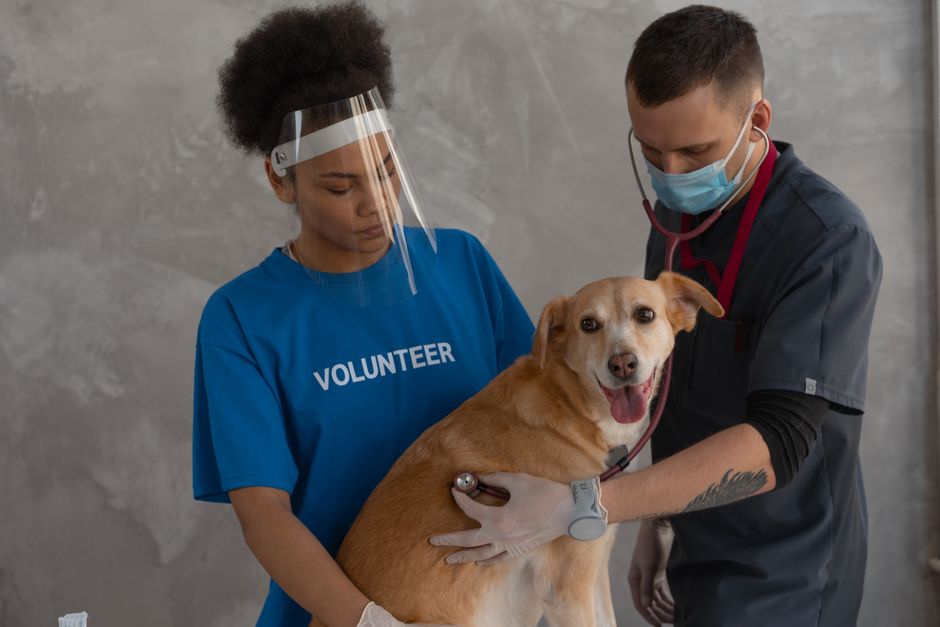
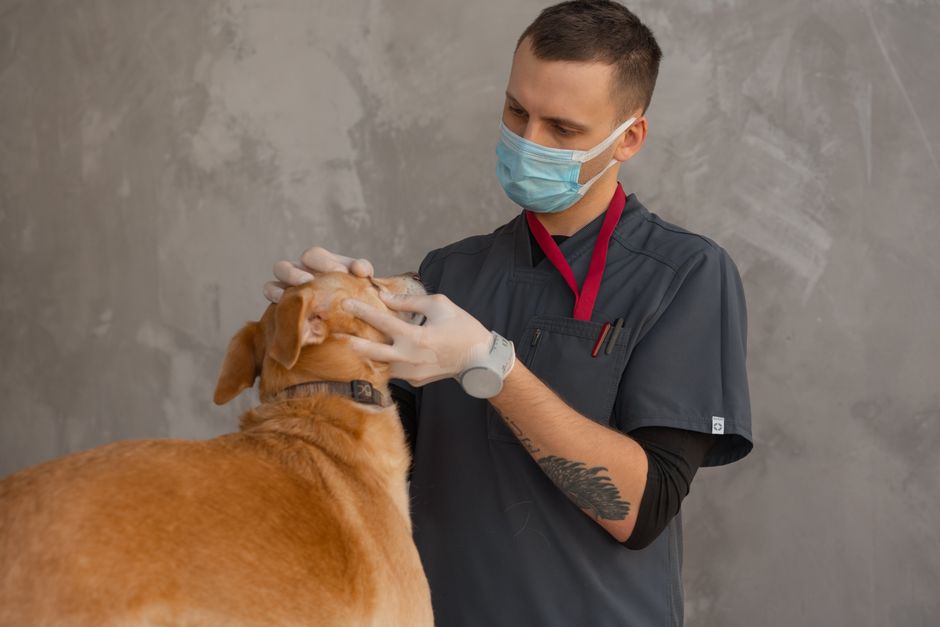
During a comprehensive pet exam, our team will carefully inspect your pet for signs of fleas, ticks, or skin irritation. We may recommend diagnostic tests, such as fecal exams, to detect intestinal parasites that aren’t visible to the naked eye. Our on-site diagnostic laboratory enables us to quickly analyze samples and identify the precise type of parasite involved.
Treatment approaches involve targeted medications designed to eliminate both external and internal parasites. For fleas and ticks, safe and effective topical or oral preventives are available, tailored to your pet’s age, weight, and health status. If your pet has an active infestation, additional therapies such as medicated shampoos or sprays may be recommended to remove pests and soothe irritated skin.
For intestinal parasites, appropriate deworming medications are prescribed based on test results. Our veterinary team will explain the treatment process, discuss potential side effects, and provide guidance on follow-up care. In certain cases, repeat testing may be necessary to confirm the parasites have been completely eradicated.
With access to a full range of medication through our on-site pharmacy, most pets can begin treatment right away, minimizing discomfort and shortening recovery time. Our veterinarians are happy to answer any questions you may have about the safety and efficacy of various treatment options.
Home Prevention: Keeping Your Dog or Cat Parasite-Free This Fall
Proactive prevention is always easier—and more effective—than treating a full-blown infestation. A few simple steps can make a big difference in protecting your dog or cat during the autumn months in Springfield and surrounding communities.
Year-round parasite prevention is the foundation of a healthy, comfortable life for your pet. This means continuing monthly flea and tick preventives, even as the weather cools. Skipping doses or stopping early can leave your pet vulnerable, as parasites may still be present in the environment. If you are unsure which product is best for your pet, our veterinary team can recommend options that fit your lifestyle and address any specific concerns.
Keeping your yard tidy is also important. Regularly rake leaves, trim tall grasses, and remove debris where fleas and ticks may hide. Washing your pet’s bedding, vacuuming carpets, and cleaning upholstered furniture will help reduce the risk of indoor flea infestations. For cats that spend time outside, supervise their explorations to avoid high-risk areas like dense undergrowth or piles of leaves.
When it comes to intestinal parasites, always pick up after your pet and encourage good hygiene practices. Prevent your dog or cat from eating wildlife or scavenging in trash, as these habits can increase exposure to parasites. For multi-pet households, make sure all animals are on appropriate preventive medications to avoid reinfection.
Regular veterinary check-ups, including wellness examinations, are essential for early detection. These visits provide an opportunity to discuss your pet’s risk factors, review their preventive care plan, and catch problems before they become serious. Our team will tailor recommendations to your pet’s lifestyle and the specific risks present in Springfield’s climate.
When to Schedule a Veterinary Visit
While minor itching or the occasional scratch is normal, certain situations call for prompt veterinary attention. If your pet is experiencing persistent scratching, hair loss, visible fleas or ticks, skin redness, or open sores, it’s time to schedule an appointment. Similarly, sudden changes in appetite, weight loss, diarrhea, vomiting, or visible worms in your pet’s stool or around their rear require professional evaluation.
Pets with chronic health conditions, young puppies and kittens, or those with weakened immune systems are especially vulnerable to the effects of parasites and may need more frequent check-ups. If you have recently adopted a new pet, or if your pet has missed preventive doses, a visit to Coble Animal Hospital is the best way to ensure they start the fall season protected.
Our veterinarians can also provide guidance on adjusting preventive medications, answer any questions about local parasite risks, and help you develop a customized plan for your pet’s continued health. In cases where diagnostic testing is needed, our diagnostic laboratory services ensure fast, accurate results.
Remember, acting quickly not only protects your pet but also prevents the spread of parasites within your household and community.
Why Ongoing Parasite Prevention Matters for Springfield Pets
Even as the weather cools, the threat of parasites never fully disappears. Fleas, ticks, and intestinal worms can cause more than just discomfort; they are known transmitters of serious diseases, including Lyme disease, tapeworm infection, and even certain types of anemia. The effects may be subtle at first but can develop into significant health concerns if left untreated.
Continuing preventive care throughout autumn—and into winter—is the best way to safeguard your pet’s health. The veterinary professionals at Coble Animal Hospital are committed to supporting you every step of the way, offering personalized advice and modern solutions tailored to your pet’s needs.
Maintaining regular check-ups, consistent medication, and a clean environment ensures your dog or cat enjoys a happy, itch-free season in Springfield and the surrounding area. Preventive care is an investment in your pet’s comfort and longevity, reducing the risk of costly treatments or complications later on.
Take the Next Step: Schedule a Fall Check-Up at Coble Animal Hospital
As autumn settles in, don’t let parasites put a damper on your pet’s comfort and health. Consistent prevention, timely veterinary care, and awareness of seasonal risks are the keys to a worry-free fall for your dog or cat. If you notice any signs of parasites or want to review your pet’s preventive plan, our veterinary team is ready to help.
To schedule a wellness examination, discuss parasite prevention options, or address any concerns, contact Coble Animal Hospital at (217) 789-0011 or visit us at 2525 East Sangamon Avenue, Springfield, IL 62702. Our veterinarians are proud to serve Springfield and surrounding communities, providing expert care and guidance for all your companion animals.
When searching for a vet near me, know that Coble Animal Hospital combines decades of local experience with the latest in veterinary medicine. Let us help your pet enjoy a parasite-free autumn, so you can both make the most of the season together. For more information on exams or our diagnostic capabilities, explore our comprehensive pet exam and diagnostic laboratory services pages or contact us directly. Your pet’s health and comfort are always our top priorities.