How to Keep Pets Safe in Cold Springfield Weather
How to Keep Pets Safe in Cold Springfield Weather
As the temperatures drop in Springfield, IL, many pet owners find themselves worrying about how to keep their dogs and cats comfortable, healthy, and safe throughout the chilly fall and winter months. At Coble Animal Hospital, we understand that your pet is an important member of your family, and we want to help you navigate the unique challenges that our local climate brings. Whether you are facing brisk November winds or the deep freeze of January, there are several proactive steps you can take to protect your pet from seasonal hazards and cold-related health issues. In this blog, we will cover the most common cold-weather dangers for pets, how to recognize signs of trouble, practical tips for keeping your pet warm, and guidance on when it’s time to schedule an appointment with our veterinary team. If you have concerns about your pet’s health as the weather turns colder, our team at Coble Animal Hospital, located at 2525 East Sangamon Avenue, Springfield, IL 62702, is here to support you and your pet all season long.
Recognizing Cold Weather Risks: Signs Your Pet May Be Too Cold
Not all pets respond to cold weather in the same way. Some breeds, such as Huskies or Maine Coons, are naturally more tolerant of low temperatures, while short-haired or small-breed pets often need extra protection. Puppies, kittens, senior pets, and those with chronic health conditions are particularly vulnerable to the effects of cold weather in Springfield and surrounding communities.
Common signs that your pet may be suffering from cold exposure include shivering, whining, or seeking out warm places; in some cases, you might notice your pet lifting their paws off cold ground, appearing anxious or restless, or resisting outdoor walks altogether. Additional signs to watch for are lethargy, weakness, or a change in behavior, such as hiding or reduced appetite. In severe cases, symptoms like pale gums, slow breathing, or confusion may indicate hypothermia and require immediate veterinary attention. By staying alert to these warning signals, you can intervene early and prevent more serious health complications for your pet.
Why Cold Weather Poses a Threat to Pets in Springfield
Springfield is no stranger to brisk winds, ice, and freezing temperatures during the autumn and winter seasons. These conditions can pose unique dangers for pets, especially those who spend time outdoors. Factors that contribute to cold weather risks include prolonged exposure to low temperatures, wind chill that accelerates heat loss, and damp conditions that make it harder for pets to maintain body heat.
Outdoor surfaces such as ice and snow can also irritate or injure your pet’s paws, while the use of salt and chemical de-icers can lead to skin irritation or accidental ingestion. Indoor risks are just as important to consider, since dry air from heating systems can cause dry skin and static shock, and space heaters may create accidental burn hazards. For pets with arthritis or other joint conditions, colder weather can exacerbate discomfort and stiffness, making movement more difficult.
Understanding these factors helps pet owners make informed decisions about how long pets should be outside, what protective gear they may need, and how to adapt routines to keep pets safe and comfortable throughout winter in Springfield.
How to Manage and Treat Cold-Related Pet Health Issues
If your pet has been exposed to cold temperatures and is showing mild symptoms of discomfort, there are several steps you can take to help them warm up safely at home. Bringing your pet inside as soon as possible is essential, followed by wrapping them in a warm towel or blanket. You can offer warm (not hot) water to help raise their body temperature and use your hands to gently massage their paws, ears, and tail to stimulate circulation.
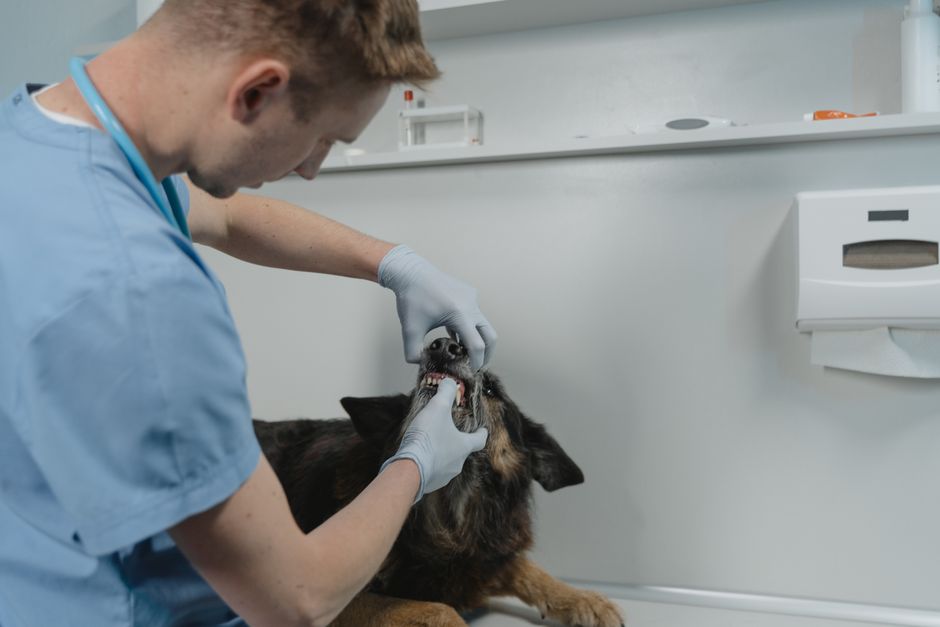
For pets with more pronounced signs of cold stress, such as persistent shivering, lethargy, or trouble walking, a prompt evaluation by a veterinarian is recommended. Treatment approaches in the clinic may involve gradual rewarming, intravenous fluids, and supportive care to address complications like dehydration or hypothermia. If paw injuries or salt exposure are involved, your veterinarian may clean and treat wounds to prevent infection.
Pets with ongoing health conditions, such as arthritis, may benefit from adjustments to their current treatment plan during the colder months. This can include pain management strategies, joint supplements, or even advanced therapies like laser treatment, which our veterinary team at Coble Animal Hospital is equipped to provide. If you notice new or worsening signs of pain or stiffness, scheduling a wellness examination is an important step in keeping your pet comfortable all winter long.
Preventing Cold Weather Problems: Keeping Your Pet Warm and Healthy at Home
Prevention is always better than cure, especially when it comes to the health and comfort of your pet during the cold months. Creating a cozy indoor environment is one of the most effective ways to safeguard your pet from the elements. Key steps include providing a soft, insulated bed away from drafts, keeping your home at a consistent, comfortable temperature, and using pet-safe heating options when needed.
When your pet does need to go outside, limit the time spent outdoors during extreme cold, and consider outfitting your dog or cat with a well-fitted sweater or coat for extra warmth. Booties can be helpful for protecting paws from ice, snow, and chemical de-icers, but always supervise your pet to ensure they are comfortable and safe. After outdoor walks, wipe down your pet’s paws and belly to remove any salt, chemicals, or moisture that could cause irritation or be ingested during grooming.
Maintaining a regular exercise routine indoors can help keep your pet active and mentally stimulated even when outdoor playtime is limited. For cats, interactive toys and climbing structures offer both exercise and entertainment. For dogs, indoor games such as hide-and-seek or training sessions can provide valuable enrichment on colder days.
Regular veterinary check-ups are another cornerstone of cold-weather prevention. These visits allow our veterinary professionals to monitor your pet’s health and catch any emerging issues early. If you are unsure whether your pet’s winter behavior is normal or cause for concern, your veterinarian can offer tailored advice and recommendations for your specific situation.
When to Contact a Veterinarian About Cold Weather Concerns
While many pets make it through winter with only minor adjustments to their routine, some situations require prompt veterinary attention. You should contact your veterinarian if your pet is experiencing persistent shivering, weakness, confusion, or difficulty walking; if you notice pale or blue gums; or if there are signs of frostbite, such as discolored skin or swelling on the ears, tail, or paws. Pets with chronic health issues, such as heart disease, diabetes, or arthritis, may also need more frequent monitoring during colder weather.
If you suspect your pet has ingested ice melt or de-icing chemicals, or if there has been an accident involving a heat source, seek veterinary care right away. For non-life-threatening cold-weather illnesses or injuries, our prompt veterinary treatment is available to help your pet recover comfortably and safely.
Trust your instincts as a pet owner; if your pet seems unwell or uncomfortable in the cold, it is always better to err on the side of caution and schedule an appointment with our veterinary team.
Keeping Pets Safe and Warm: Your Partners in Winter Pet Health
As the winter chill settles over Springfield and surrounding communities, keeping your pet safe, warm, and healthy becomes even more important. By watching for signs of cold stress, taking preventive steps at home, and partnering with our team of veterinarians for regular wellness checks, you can help your dog or cat enjoy the season to its fullest.
If you have questions about your pet’s cold weather care, notice any worrisome symptoms, or want to schedule a seasonal wellness check, we invite you to reach out to Coble Animal Hospital. Our compassionate veterinary professionals are dedicated to providing comprehensive care for your pet during every season, from preventive advice to advanced diagnostics and treatment.
To schedule an appointment, call (217) 789-0011 or visit us at 2525 East Sangamon Avenue, Springfield, IL 62702. For anyone searching for a trusted "veterinarian near me" this winter, Coble Animal Hospital is here for you and your pet with the support, expertise, and care you deserve.
Medical Disclaimer: This blog is for informational purposes only and does not replace professional veterinary advice. If your pet is experiencing a medical emergency or you are concerned about their health, please contact your veterinarian immediately.