
Why Is My Pet Coughing? Common Causes Explained


Why Is My Pet Coughing? Common Causes Explained
Is your dog or cat suddenly coughing, leaving you worried and searching for answers? At Coble Animal Hospital, we understand how concerning it can be when a beloved pet develops an unexpected cough. As a trusted veterinary provider in Springfield, IL, our goal is to help pet owners in Springfield and surrounding communities recognize what coughing means, when to seek professional help, and how prompt care and advanced diagnostic tools can protect your pet’s health.
In this comprehensive guide, we explain common pet coughing causes, how to recognize symptoms that signal something serious, when to consider local veterinary services, and what you can expect during a veterinary visit. You will also discover how Coble Animal Hospital’s experienced team of veterinarians uses modern technology to pinpoint the source of your pet’s cough and deliver appropriate treatment. If you have been searching for a "vet near me" or wondering about pet diagnostics in Springfield, this article will help you take the next step in caring for your furry companion.
Recognizing Coughing in Pets: When Should You Be Concerned?
Coughing in pets can range from an occasional mild symptom to a sign of a more significant health issue. As a pet owner, it is important to observe not only the sound but also the frequency, duration, and circumstances of your pet’s cough.
Key symptoms to watch for include coughing that persists for more than a few days, coughing with wheezing or labored breathing, and coughs that produce phlegm or blood. In some cases, your dog or cat may also show other signs such as lethargy, decreased appetite, fever, or difficulty breathing. These additional symptoms can be especially important in Springfield’s changing seasons, when respiratory infections may be more common.
Other concerns arise when coughing interferes with eating, sleeping, or play, or if your pet seems to cough after exercise or excitement. For instance, a dog that begins coughing during walks or a cat that coughs after playing with a feather toy could be signaling an underlying problem. If you notice any of these patterns, it may be time to schedule an appointment with a quality vet near me, such as Coble Animal Hospital, for a comprehensive evaluation.
Understanding Pet Coughing Causes: What Could Be Behind the Symptoms?
Coughing in pets can originate from a variety of causes, some mild and others more serious. At Coble Animal Hospital, our veterinary professionals are trained to distinguish between the most common conditions and tailor diagnostic plans to each pet’s needs.
Infectious Causes: Kennel Cough, Upper Respiratory Infections, and More
Respiratory infections are among the leading pet coughing causes in Springfield. Dogs are particularly vulnerable to kennel cough, a contagious illness that spreads easily in boarding facilities, dog parks, or grooming salons. Symptoms often include a dry, hacking cough, sometimes followed by retching or gagging.
Cats may develop upper respiratory infections from viruses or bacteria, which can cause coughing along with sneezing, nasal discharge, and watery eyes. Feline respiratory diseases are more prevalent in multi-cat households or during times of stress, such as a recent move or new pet introduction.
Allergies and Environmental Irritants
Just like people, pets can develop allergies to pollen, dust, mold, or even household cleaning products. These allergens may trigger coughing, often accompanied by sneezing or itchy skin. In Springfield, seasonal allergies can become prominent during spring and fall, so increased coughing during these times may relate to environmental triggers.
Heart Disease and Other Systemic Conditions
In some cases, coughing is linked to heart disease, particularly in older dogs. When the heart is not pumping efficiently, fluid can accumulate in the lungs, resulting in a persistent cough. Other underlying conditions, such as collapsing trachea or chronic bronchitis, can also produce a recurring cough that worsens with activity or excitement.
Cats may develop asthma, which can cause coughing fits, wheezing, and rapid breathing. Recognizing these patterns and sharing them with your veterinarian near me will aid in a timely diagnosis.
Foreign Bodies and Airway Obstructions
Occasionally, dogs and cats inhale small objects, bits of food, or plant material that become lodged in the airway. Sudden and severe coughing, gagging, or distress may indicate a foreign body; this situation requires immediate veterinary attention.
Diagnosing Pet Coughing: How Coble Animal Hospital Evaluates Coughing Pets
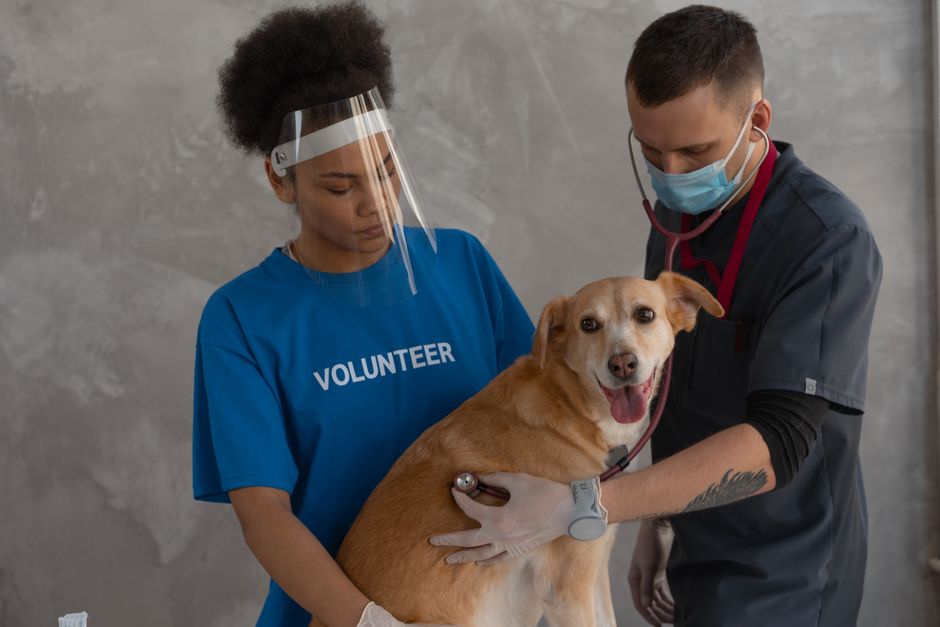
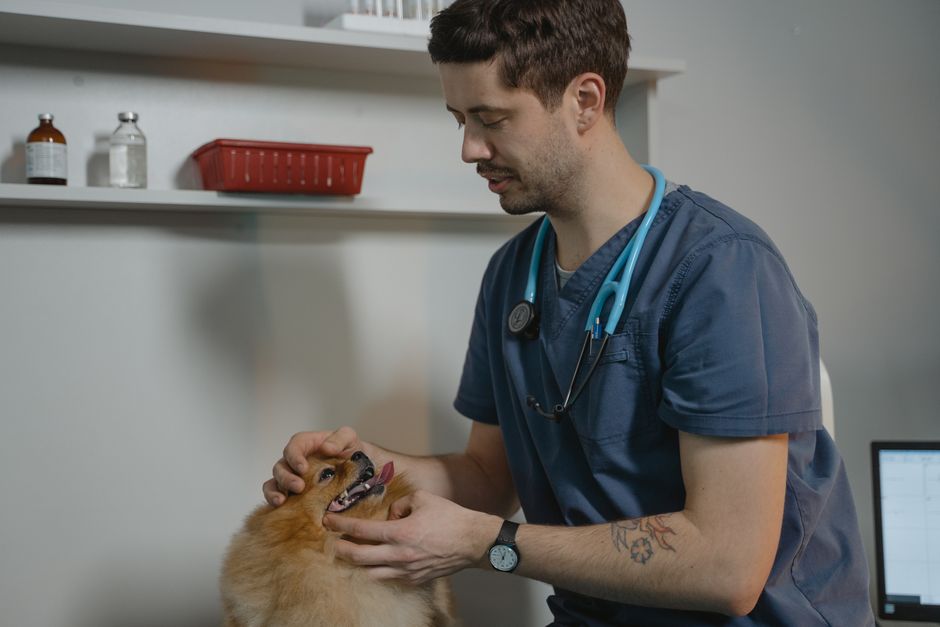
When you bring your coughing pet to Coble Animal Hospital, our team of veterinarians will start with a thorough history and physical exam. We ask about the onset, duration, and characteristics of the cough, as well as any potential exposures to other animals or environmental irritants.
Advanced Diagnostic Tools for Pet Coughing Causes
We are proud to offer a full range of pet diagnostic laboratory services in Springfield. Diagnostic approaches may include digital radiology to visualize the lungs and airways, bloodwork to check for signs of infection or inflammation, and specialized tests to rule out heartworm disease or other systemic illnesses.
For more complex cases, our on-site digital radiology services allow us to quickly and accurately assess your pet’s chest and airways. When infectious disease is suspected, samples may be sent to our diagnostic laboratory for rapid results. These resources enable our veterinary professionals to determine the best course of treatment and provide peace of mind to worried pet owners.
Treatment and Management of Coughing in Pets
The right treatment for your pet’s cough depends on its underlying cause. At Coble Animal Hospital, our veterinary team creates personalized care plans to address each pet’s unique situation.
If an infection is diagnosed, your pet may receive antibiotics or antiviral medications, along with supportive care such as hydration and rest. For allergies, management typically involves minimizing exposure to triggers, using prescribed antihistamines, or adjusting your pet’s environment to reduce irritants. When heart disease is the culprit, medications to improve heart function and reduce fluid buildup may be prescribed.
Chronic airway diseases like bronchitis or asthma often require long-term management, including inhalers or oral medications. Our veterinarians may recommend periodic wellness checks to monitor progress and adjust treatment as needed.
For pets with foreign objects in the airway, prompt removal and supportive care are necessary. Our hospital is equipped to handle these emergencies swiftly, ensuring your pet’s comfort and safety.
Prevention and Home Care: Keeping Your Pet Healthy
While some causes of coughing in pets cannot be entirely prevented, there are many steps you can take at home to reduce the risk. Keeping your pet current on vaccinations, such as those that protect against kennel cough and respiratory viruses, is essential. Regular wellness exams allow our team to detect potential problems early, before they become more serious.
Good hygiene plays a role, too. Washing your pet’s bedding, reducing exposure to cigarette smoke or strong cleaning chemicals, and managing household dust can decrease the likelihood of allergic coughing. If your pet spends time in social settings, such as daycare or boarding, ensure facilities require up-to-date vaccinations.
Paying attention to your pet’s behavior and promptly reporting any changes to your veterinarian is key. Early intervention often leads to better outcomes, especially for heart or respiratory conditions.
When to See a Vet: Clear Guidelines for Pet Owners
It can be difficult to know when a cough warrants veterinary attention. In general, you should schedule an appointment with a quality vet near me, like Coble Animal Hospital, if your pet’s cough lasts longer than a few days, seems severe, or is accompanied by other symptoms such as lethargy, loss of appetite, or difficulty breathing.
Immediate veterinary care is needed if your pet is struggling to breathe, has blue-tinged gums, collapses, or coughs up blood. These signs may indicate a life-threatening emergency. For less urgent but persistent coughing, prompt evaluation helps prevent complications and ensures your pet receives the right treatment.
Our prompt care services for pets are available for situations that require attention but are not life-threatening emergencies. With advanced veterinary diagnostics in Springfield and a compassionate approach, our team can help you navigate the uncertainty of pet coughing and get your companion back to good health.
Take Action for Your Pet’s Health: Schedule a Veterinary Visit Today
Coughing can be a sign of many different health issues in dogs and cats, from mild irritations to more serious conditions. By recognizing concerning symptoms, understanding possible pet coughing causes, and knowing when to seek help, you can protect your pet’s wellbeing.
If your pet is coughing or showing other signs of illness, we encourage you to contact Coble Animal Hospital to schedule a comprehensive pet exam. Our experienced team of veterinarians is dedicated to providing the highest quality veterinary services near me, using the latest diagnostic technology and treatment options. We serve Springfield and surrounding communities from our convenient location at 2525 East Sangamon Avenue, Springfield, IL 62702.
To book an appointment, call (217) 789-0011 or visit our website. Remember, early intervention often makes all the difference when it comes to your pet’s health. Trust Coble Animal Hospital when you need a vet near me or advanced pet diagnostics in Springfield. If you have questions about your pet’s symptoms, our veterinary professionals are here to help you every step of the way.
For more information about our services, including diagnostic laboratory testing or digital radiology, please explore our website or reach out to our team. Your pet’s comfort, safety, and happiness are always our top priorities.
Disclaimer: This article is for informational purposes only and does not replace professional veterinary advice. If your pet is coughing or exhibiting other concerning symptoms, consult with your veterinarian for a thorough evaluation and personalized care plan. For emergencies, seek immediate veterinary attention. For further reading on pet respiratory diseases and care, you may find resources from the American Veterinary Medical Association helpful.