
Why Your Dog Keeps Coughing and Gagging: Causes and Solutions


Why Your Dog Keeps Coughing and Gagging: Causes and Solutions
Is your dog keeping you up at night with persistent coughing and gagging? As a pet owner in Springfield, these unsettling symptoms can be worrying, especially during the colder months when respiratory issues seem to be more common. At Coble Animal Hospital, conveniently located at 2525 East Sangamon Avenue, Springfield, IL 62702, our team of veterinarians understands how concerning it is when your dog keeps coughing and gagging. We are committed to helping you understand what might be causing these symptoms, when it’s time to seek veterinary help, and how our comprehensive services can support your pet’s health. This article will guide you through recognizing the signs, exploring possible causes, learning about diagnostic and treatment options, and discovering what you can do at home to keep your dog comfortable. By the end, you’ll know exactly when to schedule an appointment and how our pet examinations can bring peace of mind.
Recognizing When Your Dog’s Coughing and Gagging Is a Concern
It’s not uncommon for dogs to cough occasionally, but when a dog keeps coughing and gagging persistently or the symptoms worsen, it’s important to pay attention. Coughing can range from a gentle throat-clearing sound to deep, hacking fits that leave your dog gagging or even retching as though trying to clear something from the throat. Key signs that suggest the problem needs closer attention include coughing episodes that occur frequently throughout the day or night, coughing that is accompanied by gagging or attempts to vomit, changes in your dog’s energy level or appetite, or coughing that is associated with difficulty breathing, wheezing, or a blue-tinged tongue or gums.
Some pet owners notice their dog coughing more at specific times, such as after excitement, exercise, or when lying down to sleep. While a single cough after drinking water or sniffing outdoors might be harmless, repeated or forceful coughing with gagging can indicate an underlying health issue that shouldn’t be ignored. Additionally, dogs that have recently been boarded, attended grooming facilities, or visited dog parks may be at higher risk for contagious respiratory illnesses. If your dog’s cough is dry and hacking, or if it produces mucus or foam, take note of these details, as they can help your veterinarian determine the cause. Remember, the earlier you recognize persistent symptoms, the sooner our veterinary professionals can help.
Understanding Why Your Dog Keeps Coughing and Gagging
There are many reasons why a dog keeps coughing and gagging, and identifying the cause is the first step toward effective treatment. Some of the most common reasons for these symptoms in dogs include infectious diseases, airway irritation, chronic conditions, and even heart problems.
Kennel cough, also known as infectious tracheobronchitis, is a frequent culprit, especially in dogs that have been around other dogs. This highly contagious condition causes a dry, hacking cough that often ends with gagging. Canine influenza, another contagious respiratory disease, can also cause persistent coughing, sometimes with nasal discharge and lethargy. Other possible causes include tracheal collapse, particularly in small breed dogs, where the windpipe becomes weakened and results in a honking cough often followed by gagging.
Heart disease is another important consideration, especially in older dogs. When the heart is unable to pump efficiently, fluid can build up in the lungs, leading to coughing and sometimes gagging or difficulty breathing. Allergies, environmental irritants like smoke or dust, and even foreign objects stuck in the throat can also trigger coughing fits. Occasionally, dental problems or oral tumors may be to blame, as inflammation or masses in the mouth or throat can stimulate a cough reflex. In rare cases, more serious conditions such as pneumonia, lung tumors, or laryngeal paralysis may cause these symptoms.
No matter the cause, ongoing coughing and gagging should never be dismissed. Our diagnostic laboratory services at Coble Animal Hospital allow us to pinpoint the specific reason for your dog’s symptoms, ensuring a tailored approach to care.
Seasonal and Local Considerations
Springfield’s seasonal changes can also impact your dog’s respiratory health. During winter and early spring, indoor air can become dry and dusty, potentially aggravating sensitive airways. Colder weather may also increase the spread of respiratory infections as dogs spend more time indoors with others. If you notice your dog keeps coughing and gagging during certain seasons, share this information with our veterinarians, as it can be an important clue to the underlying problem.
How Coble Animal Hospital Diagnoses and Treats Persistent Coughing and Gagging
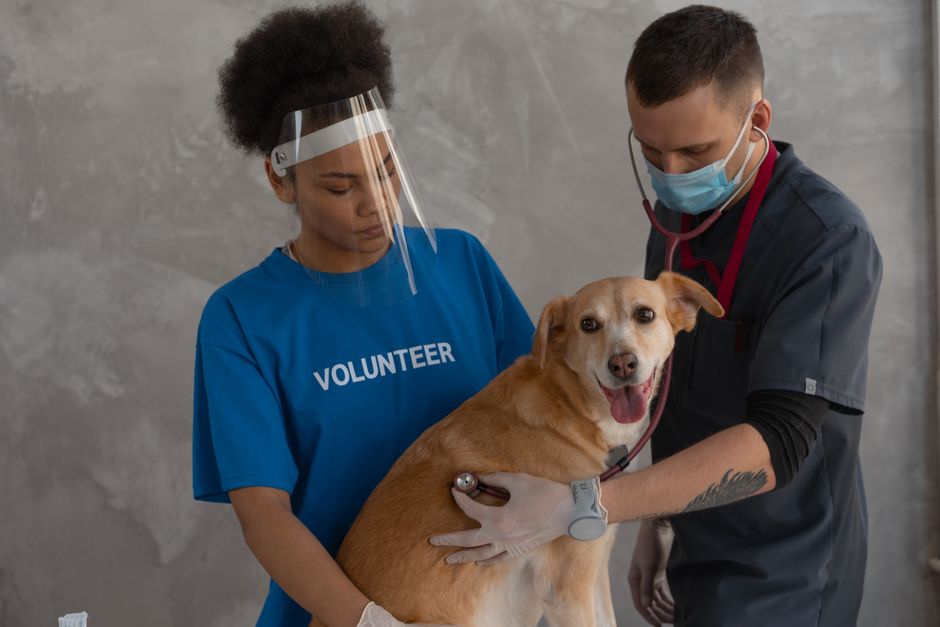
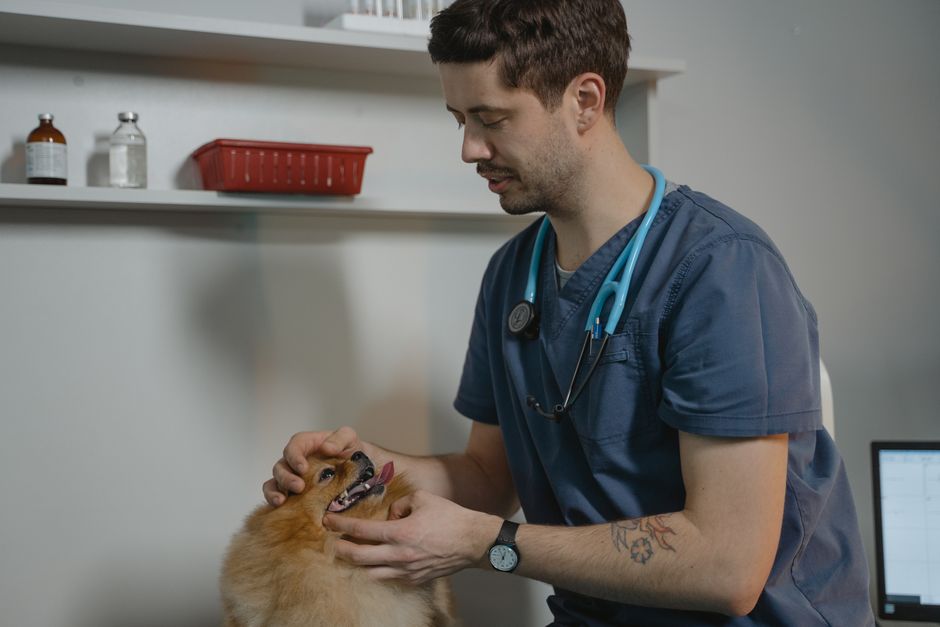
When you bring your dog to Coble Animal Hospital for coughing and gagging, our veterinarians will start with a thorough examination and medical history. We’ll want to know when the symptoms started, how often they occur, and any other changes in your dog’s behavior or environment. Diagnostic approaches may involve a combination of physical examination, listening to your dog’s chest and airway, and asking about recent exposures to other dogs or changes in your home.
Advanced diagnostics such as digital radiology (X-rays) can help us visualize the lungs, heart, and windpipe to look for signs of infection, heart enlargement, or airway collapse. Our in-house laboratory enables us to quickly run blood tests, heartworm tests, and screen for infectious diseases. In some cases, additional procedures like ultrasound or airway endoscopy may be recommended for a more detailed assessment.
Treatment options depend on the cause. For kennel cough or mild infectious diseases, your dog may need supportive care, rest, and sometimes cough suppressants or antibiotics if a bacterial infection is present. Dogs with heart disease might require medications to support cardiac function and reduce fluid in the lungs. Allergies and irritant-induced coughs often improve with environmental management and, if appropriate, medications to reduce inflammation. In cases where a foreign object or tumor is causing the problem, surgical intervention may be necessary, which our experienced surgical team is equipped to provide.
If your dog is diagnosed with a chronic condition such as tracheal collapse, management may include weight control, harnesses instead of collars, and medications to keep airways open. For dogs with more complex or recurring symptoms, our internal surgery services may be needed to address structural issues or remove blockages. Throughout the process, we communicate closely with you to ensure you understand your pet’s diagnosis, treatment plan, and what to expect during recovery.
What You Can Do at Home to Support Your Dog’s Respiratory Health
Caring for a dog that keeps coughing and gagging involves both professional veterinary care and supportive measures at home. Steps you can take include providing a calm, stress-free environment for your dog and avoiding exposure to smoke, dust, strong cleaning products, or other airborne irritants. Using a humidifier during dry winter months can help keep your dog’s airways moist and more comfortable.
Ensure your dog is up to date on all pet vaccinations, as many respiratory infections can be prevented with routine immunizations. If your dog tends to pull on the leash, switch from a collar to a harness to avoid pressure on the windpipe. Maintain a healthy weight for your pet, since excess weight can worsen respiratory and cardiac symptoms. Regular dental care is also important, as infections in the mouth can contribute to coughing or throat irritation.
If your dog is recovering from a recent respiratory illness, limit contact with other dogs until cleared by a veterinarian to reduce the risk of spreading infection. Always monitor your pet for changes or worsening of symptoms, and keep a record of any coughing episodes to share with our team during your visit. Remember, while home care can provide comfort, it is not a substitute for professional veterinary advice and treatment.
When to Schedule an Appointment for Persistent Coughing and Gagging
Knowing when to seek veterinary help can make a significant difference in your dog’s health and comfort. It is important to schedule an appointment promptly if your dog’s cough lasts more than a few days, worsens over time, or is accompanied by gagging, lethargy, loss of appetite, or breathing difficulties. Immediate veterinary attention is necessary if your dog shows signs of distress such as rapid or labored breathing, blue or pale gums, collapse, or coughing up blood.
Chronic coughing and gagging can indicate serious health problems, so do not wait for symptoms to resolve on their own. Our team of veterinarians at Coble Animal Hospital is here to provide compassionate, comprehensive care for your pet in Springfield and surrounding communities. We encourage you to reach out if your dog keeps coughing and gagging, as early diagnosis and intervention can lead to the best outcomes for your companion.
If you are ever in doubt, our prompt care clinic is available for non-life-threatening illnesses and injuries, ensuring your pet receives timely attention when it matters most.
Keeping Your Dog Healthy and Comfortable: Next Steps
Persistent coughing and gagging in dogs should never be ignored. Recognizing the signs early, understanding the possible causes, and seeking timely veterinary care are all vital steps in ensuring your pet’s health and happiness. At Coble Animal Hospital, our veterinary professionals are dedicated to providing thorough evaluations, advanced diagnostics, and tailored treatment plans for every patient. Whether your dog needs a routine pet examination, advanced diagnostics, or ongoing management for a chronic condition, we are here to help.
If you notice your dog keeps coughing and gagging, don’t wait—schedule a visit with our friendly team. When searching for a veterinarian near me in Springfield, trust Coble Animal Hospital to deliver high-quality, compassionate care that prioritizes your pet’s wellbeing. Call us at (217) 789-0011 or visit our Springfield location to book your pet’s appointment today. Your dog’s comfort and health are always our top priority.
This article is for informational purposes only and should not replace professional veterinary care. If you have concerns about your pet’s health, please consult our veterinary team directly.