
Preventing Pet Illness in Cold, Wet Springfield Weather

Preventing Pet Illness in Cold, Wet Springfield Weather
When February arrives in Springfield, IL, the chill and dampness of winter can bring real concerns for pet owners. You may notice your dog shivering after a quick walk or your cat spending less time exploring by the window. At Coble Animal Hospital, located at 2525 East Sangamon Avenue, Springfield, IL 62702, we understand that keeping your pets healthy during cold, wet weather is a top priority. Winter can present unique challenges for both dogs and cats, ranging from respiratory illnesses to skin problems caused by moisture and low temperatures.
In this guide, we will explore how the climate in Springfield and surrounding communities can impact your pet’s health, outline the signs of seasonal illnesses, and provide practical steps you can take at home to protect your furry family members. We will also discuss when it’s time to seek professional veterinary care and how our team of veterinarians can help with everything from routine wellness exams to prompt care for sudden illnesses. If you want to keep your pet comfortable and healthy all winter long, read on for expert advice tailored to our local weather and your pet’s needs.
Recognizing Illness in Dogs and Cats During Springfield’s Winter
Spotting the early signs of illness in your pet can make all the difference in successful treatment and recovery. Cold and wet weather can trigger a range of health issues, some of which may appear mild at first but can quickly become more serious if left unchecked.
Common Symptoms of Cold-Related Illnesses
If your pet is affected by the winter weather, you may notice symptoms such as coughing, sneezing, or nasal discharge, which often signal respiratory infections. Lethargy, shivering, and reluctance to go outside are also warning signs that your pet may be struggling with the cold. In cats, hiding more than usual, decreased grooming, or changes in appetite may indicate discomfort or illness. Dogs may limp, lick their paws excessively, or show red, cracked skin on their pads when exposed to wet, icy surfaces.
Other signs to watch for are persistent scratching, flaky skin, or hair loss, which can result from dry indoor air or moisture trapped against the skin after being outside. If your pet seems unusually tired, is breathing rapidly, or has difficulty moving, these could be urgent symptoms that require immediate attention.
Recognizing these early signs and seeking help promptly can prevent minor discomforts from turning into major health issues. Our veterinary professionals at Coble Animal Hospital are trained to catch subtle changes and recommend appropriate diagnostic tests and treatments for your pet.
Why Cold and Wet Weather Puts Pets at Risk
Understanding the root causes of seasonal pet illnesses can help you take proactive steps to protect your animals. Winter in Springfield is often accompanied by freezing temperatures, icy rain, and snow, all of which can combine to create hazardous conditions for pets.
How Winter Weather Affects Your Pet’s Health
Cold air and dampness can suppress your pet’s immune system, making them more susceptible to infections. Dogs and cats that spend time outdoors may inhale cold air, which can irritate their respiratory tracts and lead to conditions like kennel cough or upper respiratory infections. Moisture from rain or melting snow can cause the skin and paws to remain wet, creating an environment where bacteria and fungi thrive, leading to skin infections or dermatitis.
Additionally, indoor heating systems used to keep our homes warm can dry out the air, which may dry out your pet’s skin and exacerbate itching or flaking. Sudden changes from outdoor cold to indoor warmth can also stress your pet’s body, making it harder for them to regulate their temperature.
Breeds with short fur or low body mass, senior pets, puppies, and kittens are especially vulnerable to the effects of winter weather. These groups can lose body heat quickly, increasing their risk of hypothermia. Pets with chronic health conditions, such as arthritis, can experience worsening symptoms in cold, damp conditions.
Veterinary Treatment and Care Options for Seasonal Illnesses
If your pet shows signs of illness during the winter, timely veterinary care is essential. At Coble Animal Hospital, we offer a range of services to diagnose and manage seasonal health problems, always with your pet’s comfort and wellbeing at the forefront.
What to Expect at the Veterinary Clinic
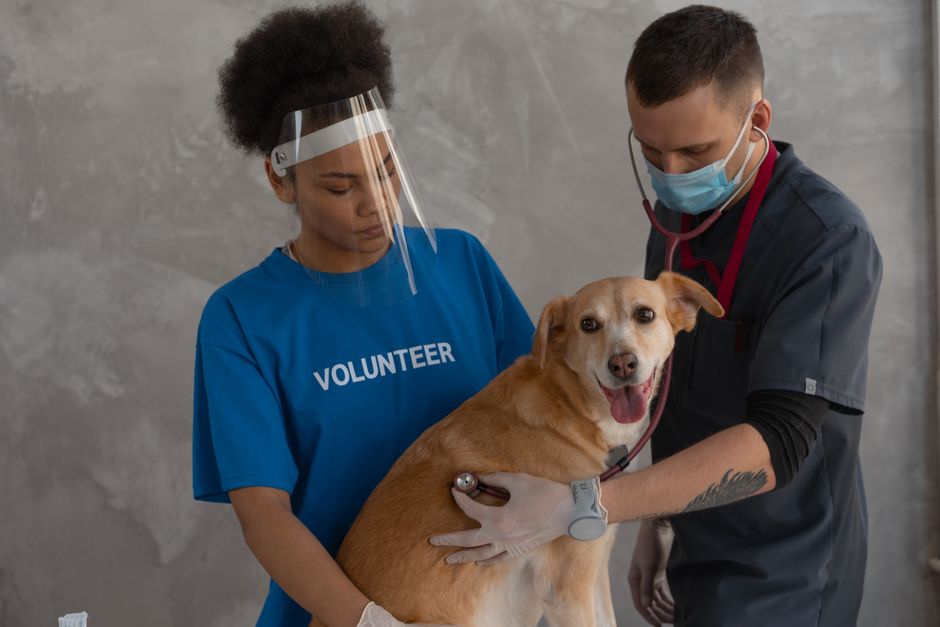
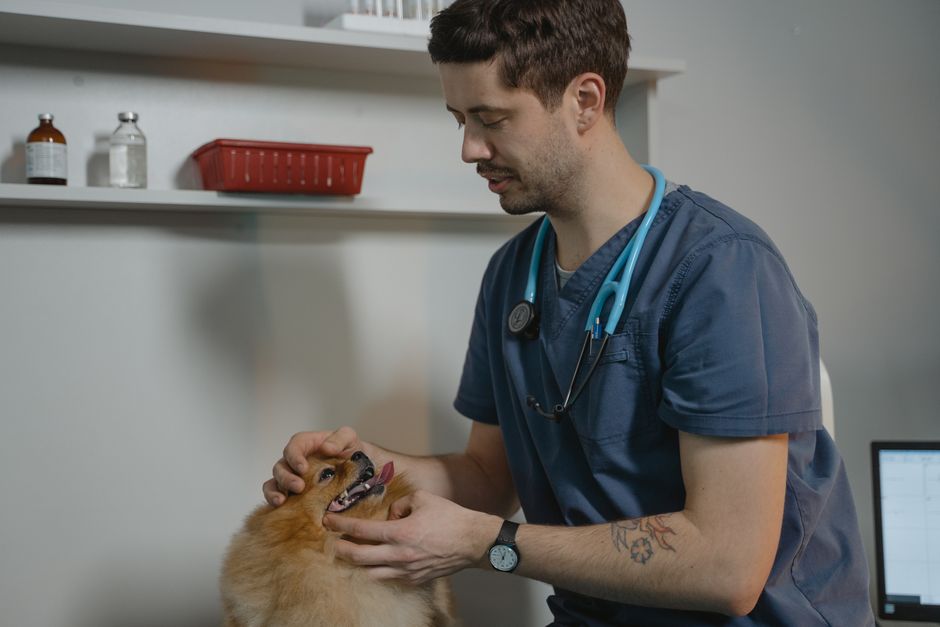
When you schedule an appointment with our veterinary team, we begin with a thorough health assessment. This may include questions about your pet’s recent activities, exposure to cold or wet conditions, and any changes in behavior or appetite. Depending on symptoms, our veterinarians may recommend a comprehensive wellness examination to identify underlying issues.
Diagnostic tools such as our on-site laboratory, digital radiology, or ultrasound may be used to quickly assess respiratory or skin problems. For respiratory illnesses, treatment approaches involve medications to reduce inflammation, antibiotics for bacterial infections, and supportive care such as fluids if needed. Skin issues, including dermatitis or fungal infections, may require topical treatments, medicated baths, or oral medications to resolve.
For pets experiencing discomfort or pain due to cold-induced conditions like arthritis, our veterinary professionals can recommend appropriate pain management strategies. This may involve medications, laser therapy, or changes in daily routines to keep your pet comfortable during the winter months.
In addition, we provide recommendations for ongoing care and prevention, helping you make informed decisions about your pet’s routine and environment during Springfield’s coldest months.
Home Care and Prevention: Keeping Your Pet Healthy in Winter
While veterinary care is essential for treating illness, there are many steps you can take at home to prevent your pet from becoming sick during cold and wet weather.
Practical Steps for Pet Owners
One of the most important preventive measures is minimizing your pet’s exposure to cold, damp conditions. Limit time outdoors during severe weather, and always dry your pet thoroughly after walks or playtime in the snow or rain. For dogs, wipe their paws and belly to remove ice, salt, and moisture, which can cause irritation or cracking. Consider protective gear like pet-safe boots or jackets for breeds prone to cold sensitivity.
Ensure your pet has a warm, dry place to rest indoors, away from drafts or cold floors. Regular grooming is important during winter; keeping the coat clean and free of mats helps insulate against the cold. Indoor air can become very dry, so using a humidifier may help maintain healthy skin and reduce static electricity.
Monitor your pet’s diet and hydration, as cold weather can sometimes decrease water intake. Fresh water should always be available, and you may need to adjust feeding amounts if your pet is less active during the winter months.
Routine veterinary visits are key to catching health issues early. Preventive measures like pet vaccination services and regular checkups help protect against contagious diseases that can spread more easily when pets are indoors together.
If your pet enjoys exploring outdoors, be cautious of antifreeze spills or de-icing chemicals, which are toxic if ingested. Always keep these products securely stored and clean your pet’s paws after coming inside.
When to Seek Professional Veterinary Care
Not every sniffle or shiver requires a trip to the animal hospital, but some situations call for prompt evaluation by a veterinarian. Knowing when to seek help can prevent minor issues from becoming major health concerns.
Warning Signs That Warrant a Veterinary Visit
Contact your veterinarian if your pet has a persistent cough, difficulty breathing, or nasal discharge that lasts more than a few days. Sudden changes in energy, appetite, or mobility are also causes for concern. For skin issues that do not improve with basic home care, such as redness, swelling, or hair loss, a veterinary examination is important to determine the cause and appropriate treatment.
If your pet is shivering uncontrollably, has pale gums, is disoriented, or collapses, these may be signs of hypothermia or a severe infection and require immediate medical attention. The veterinary professionals at Coble Animal Hospital are equipped to provide prompt care for non-life-threatening illnesses and injuries, ensuring your pet gets the support they need quickly.
For ongoing wellness, consider scheduling a routine pet examination to address seasonal health risks and update preventive care plans. Our team can help you tailor your pet’s care to match their age, breed, and lifestyle during the winter months.
Keeping Pets Safe and Healthy in Springfield’s Winter: Next Steps
Springfield’s winter weather can be tough on pets, but with the right knowledge and support, you can keep your dogs and cats healthy and comfortable all season long. Recognizing early signs of illness, understanding how cold and wet conditions affect your pet, and taking preventive measures at home all play a role in your pet’s wellbeing.
Our veterinary team at Coble Animal Hospital is here to help, whether you need advice on winter pet care, a routine wellness check, or prompt attention for seasonal illnesses. If you are searching for a veterinarian near me who truly understands the needs of pets in Springfield and surrounding communities, we invite you to schedule an appointment with us today. Our comprehensive services, including pet vaccination services, prompt care, and wellness exams, are designed to keep your pet healthy year-round.
For questions or to book a visit, call (217) 789-0011 or stop by our convenient location at 2525 East Sangamon Avenue, Springfield, IL 62702. Your pet’s health and comfort are our top priorities—let us partner with you this winter and beyond.
This article is for informational purposes only and does not replace veterinary advice. If you have concerns about your pet’s health, please consult with your veterinarian.