
Spring Pet Allergy Symptoms: What Springfield Owners Should Know


Spring Pet Allergy Symptoms: What Springfield Owners Should Know
As the days grow longer and the landscape transforms with blooming flowers and fresh grass, springtime in Springfield brings a sense of renewal and energy. Yet, for many pets, these seasonal changes can also usher in a host of uncomfortable allergy symptoms. If you’ve noticed your dog or cat sneezing, scratching, or acting out of sorts as March arrives, you are not alone. At Coble Animal Hospital, located at 2525 East Sangamon Avenue, Springfield, IL 62702, our team of veterinarians helps countless pets and their families manage spring allergies so everyone can enjoy the season in comfort.
In this blog, we’ll explore how to recognize the signs of spring allergies in pets, delve into the causes behind these symptoms, and discuss the steps you can take to help your furry family member feel better. You’ll also learn what professional treatments are available at Coble Animal Hospital, and when it’s time to schedule an appointment for your pet’s health and wellbeing. If you’re searching for a dependable veterinary partner in Springfield and surrounding communities, our comprehensive services and caring approach make us a trusted choice for your pet’s seasonal needs.
Recognizing Spring Allergy Symptoms in Dogs and Cats
Spring allergies can look quite different from pet to pet. Some animals develop itchy skin, while others might begin sneezing more than usual or experience watery eyes. Key symptoms of spring allergies in dogs and cats include persistent scratching, licking or chewing at the paws, frequent head shaking, red or inflamed skin, and noticeable hair loss in areas where your pet has been scratching. Additionally, you might observe sneezing, runny nose, coughing, or watery eyes, especially in cats who are sensitive to airborne allergens. Ear infections can also occur as a result of allergies, with pets displaying head shaking, ear scratching, or an unpleasant odor coming from the ears.
Sometimes, these symptoms can be mistaken for fleas, dry skin, or even behavioral changes. For example, a dog who seems restless or is constantly licking its paws may actually be responding to an underlying allergy rather than boredom or anxiety. Cats might hide more often, groom excessively, or develop scabs on their skin. Recognizing these patterns early allows for more effective intervention and helps prevent secondary issues, such as skin infections, that can develop from persistent scratching.
What Causes Spring Allergies in Springfield Pets?
Allergies in pets are caused by an overactive immune response to substances in the environment that are normally harmless. In Springfield, spring brings an increase in pollen from trees, grasses, and weeds, which are common triggers for seasonal allergies in both dogs and cats. Mold spores, which thrive in damp spring conditions, can also contribute to allergic reactions. Other environmental allergens include dust mites and certain types of outdoor fungi, which may become more prevalent as temperatures rise.
Genetics play a role in how susceptible your pet is to allergies. Some breeds, such as retrievers, boxers, and terriers, are more prone to developing environmental allergies, but any pet can be affected. Additionally, a history of other allergies, such as food sensitivities or prior skin conditions, can increase the likelihood that your pet will react to springtime triggers.
Beyond pollen and mold, Springfield’s spring weather can lead to increased exposure to outdoor irritants. Pets spending more time outside may come into contact with lawn chemicals, fertilizers, or even certain plants that can worsen allergy symptoms. Understanding these causes is the first step toward effective management and prevention.
How We Diagnose and Treat Pet Allergies at Coble Animal Hospital
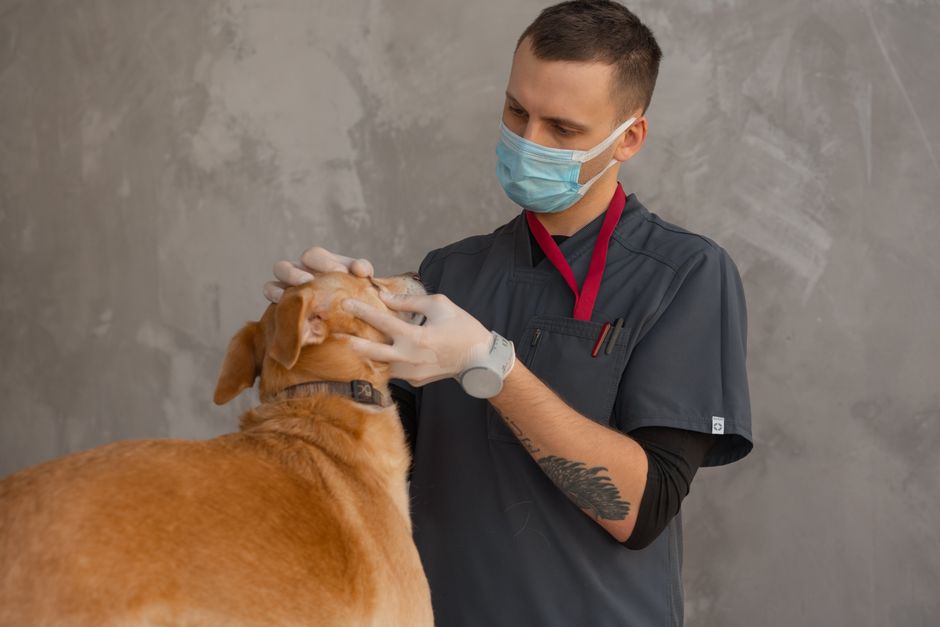
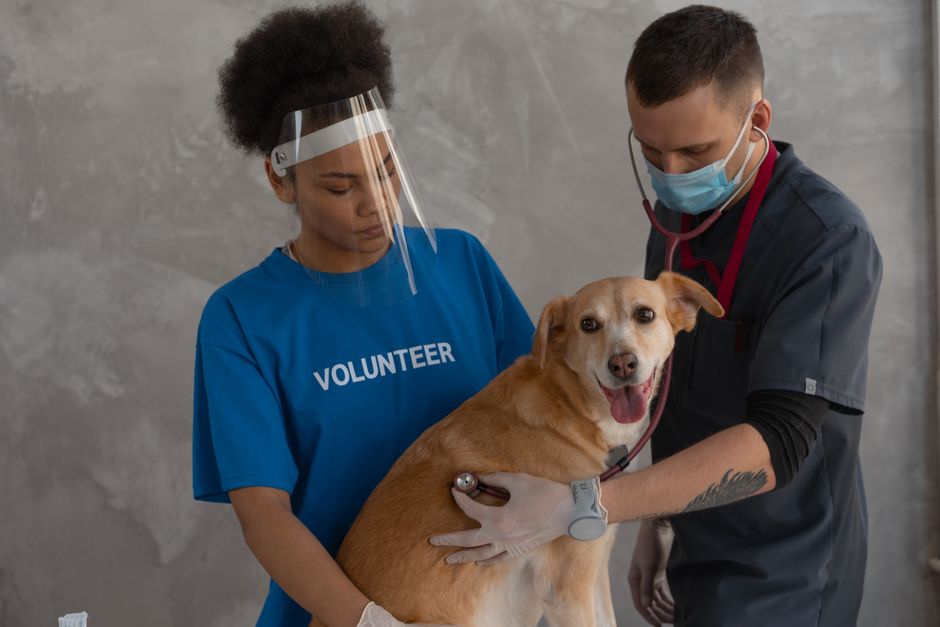
When you bring your pet to Coble Animal Hospital for suspected allergies, our approach begins with a thorough wellness examination. During your visit, our veterinarians will discuss your pet’s symptoms, review their medical history, and perform a hands-on assessment to evaluate their skin, coat, ears, and overall health. In some cases, we may recommend additional diagnostic tests, such as skin scrapings or laboratory work, to rule out other possible causes like parasites or infections.
Treatment options for spring allergies are tailored to your pet’s unique needs. Approaches may involve prescription antihistamines or anti-itch medications, topical treatments to soothe irritated skin, and medicated shampoos to remove allergens from your pet’s coat. For pets with more severe symptoms, our veterinarians may suggest allergy testing to identify specific triggers or immunotherapy to help desensitize your pet’s immune system over time.
Our dermatology services are designed to address persistent skin issues and allergies, providing advanced care for even the most challenging cases. Laser therapy is sometimes used to reduce inflammation and promote healing in affected skin areas, while our on-site pharmacy ensures prompt access to any necessary medications. Throughout your pet’s treatment, we emphasize comfort, safety, and communication so you always understand the steps being taken and what to expect next.
If your pet is experiencing mild but bothersome symptoms that are not emergencies, our prompt care clinic is available for non-life-threatening illnesses and injuries. This allows your pet to receive timely support and relief without delay.
Helping Your Pet at Home: Prevention and Comfort Strategies
While professional veterinary care is essential for managing moderate to severe allergies, there are steps you can take at home to reduce your pet’s exposure to springtime allergens and keep them more comfortable. Regular grooming and bathing with veterinarian-recommended products can help remove pollen and dust from your pet’s coat and skin. Wiping your pet’s paws and fur after outdoor walks limits the amount of allergen brought into your home.
Vacuuming frequently, using air purifiers, and keeping windows closed on high-pollen days are additional measures that can help control indoor allergen levels. Washing your pet’s bedding and toys routinely also helps minimize allergen accumulation. For pets with a history of allergies, it’s wise to avoid walking them through tall grasses or areas known to be heavily pollinated. Maintaining a healthy diet and routine veterinary check-ups can further support your pet’s immune system and overall wellbeing.
Even with these steps, it’s important to remember that home care strategies are not a substitute for veterinary diagnosis and treatment, especially if your pet’s symptoms worsen or fail to improve.
When Should You Schedule a Veterinary Visit for Allergies?
Knowing when to seek professional care is crucial for your pet’s health and comfort. If your pet’s itching is persistent, if you notice open sores, hot spots, or hair loss, or if symptoms interfere with their daily activities or appetite, it’s time to schedule an appointment with our veterinary professionals. Ear infections, which may present as redness, discharge, or odor, require prompt attention to prevent pain and complications. Likewise, if your pet is experiencing breathing difficulties, severe swelling, or sudden changes in behavior, immediate veterinary evaluation is essential.
Delaying care can lead to secondary infections, worsening discomfort, and a longer recovery process. Our wellness and routine pet examinations provide an ideal opportunity to discuss seasonal allergy concerns and receive personalized recommendations for your pet. By staying proactive, you protect your pet’s quality of life and ensure they are ready to enjoy spring to the fullest.
Choosing Coble Animal Hospital: Your Local Partner for Pet Allergy Relief
Spring allergies do not have to put a damper on your pet’s enjoyment of the season. At Coble Animal Hospital, our commitment to comprehensive, compassionate care means we work alongside you to develop an effective allergy management plan tailored to your pet’s needs. Whether you’re concerned about new symptoms or looking for ongoing support, our Springfield-based veterinary team is here to help every step of the way.
If you’re searching for a "vet near me" who understands the unique challenges pets face in Springfield and surrounding communities, look no further than our experienced veterinarians and support staff. To schedule an appointment or learn more about our allergy, dermatology, and wellness services, call us at (217) 789-0011 or visit our location on East Sangamon Avenue. At Coble Animal Hospital, we are dedicated to helping your pets thrive in every season.
Medical Disclaimer: This blog is intended for informational purposes only and should not be considered a substitute for professional veterinary advice, diagnosis, or treatment. Always consult with your veterinarian regarding your pet’s specific health needs.