
Keeping Your Pet Safe From Fleas and Ticks in Springfield, IL


Keeping Your Pet Safe From Fleas and Ticks in Springfield, IL
As summer kicks off in Springfield, IL, pet owners often find themselves worrying about the surge in fleas and ticks that come with warm, rainy June weather. These tiny parasites are more than just a nuisance; they can cause significant discomfort and health problems for your dog or cat. At Coble Animal Hospital, we understand how important it is to keep your pet healthy and happy all season long. In this guide, we will help you recognize the signs of flea and tick problems, explain why prevention is especially crucial in our local climate, discuss effective treatments, and offer practical tips you can use at home. Along the way, we will share how our veterinary team in Springfield can support you and your pet with comprehensive care, modern technology, and proven prevention strategies.
Whether you are a new pet owner or have cared for animals your whole life, understanding the risks and solutions for fleas and ticks is key to a safe and comfortable summer. Read on to learn how to protect your beloved companion from these persistent pests and when it is time to seek help from our veterinary professionals.
Recognizing Flea and Tick Problems in Your Dog or Cat
Fleas and ticks are more than just seasonal annoyances; they can cause a range of health issues for your pet. Early detection is vital to prevent discomfort and complications. Most pet owners first notice excessive scratching, biting, or licking, especially around the base of the tail, ears, or belly. You might also spot small black specks (often called "flea dirt") in your pet's fur or bedding, which is actually flea feces. In some cases, pets develop red, irritated skin, hair loss, or scabs from constant scratching.
Ticks are sometimes easier to spot, especially after your pet has been outside. These parasites attach themselves to the skin and can vary in size; sometimes they are as small as a pinhead, while other times they swell to the size of a small bean as they feed. Signs your pet may have a tick include localized swelling, a small bump, or the tick itself visible in areas like the ears, between toes, or under the collar.
More subtle symptoms can also occur. Some pets may become more lethargic, lose their appetite, or develop pale gums if fleas are causing anemia. Ticks can transmit diseases such as Lyme disease and ehrlichiosis, which may cause fever, joint swelling, or lameness in dogs. If you notice any of these warning signs, prompt action and veterinary guidance are essential.
Why Fleas and Ticks Thrive in Springfield's Summer Weather
Springfield's climate, especially during early summer, creates ideal conditions for fleas and ticks to flourish. Fleas thrive in warm, humid environments; after a rainy spell, their populations can explode outdoors and even inside homes. These parasites reproduce quickly, with a single female flea capable of laying dozens of eggs every day. Once established in your home or yard, fleas can be extremely difficult to eliminate without a comprehensive approach.
Ticks are especially active from late spring through early fall, seeking out hosts in grassy or wooded areas. Here in Illinois, ticks like the American dog tick and deer tick are common, and both can carry diseases that affect pets and occasionally people. Overgrown lawns, leaf litter, and shaded areas around your property provide the perfect hiding spots for ticks waiting to latch onto a passing dog or cat.
Urban and suburban settings are not immune to these pests. Wildlife such as squirrels, rabbits, and raccoons often bring fleas and ticks into backyards and parks, increasing the risk for pets who spend time outdoors. Understanding the seasonal patterns and environmental risks in Springfield helps pet owners stay one step ahead in the fight against parasites.
Professional Treatment and What to Expect at Coble Animal Hospital
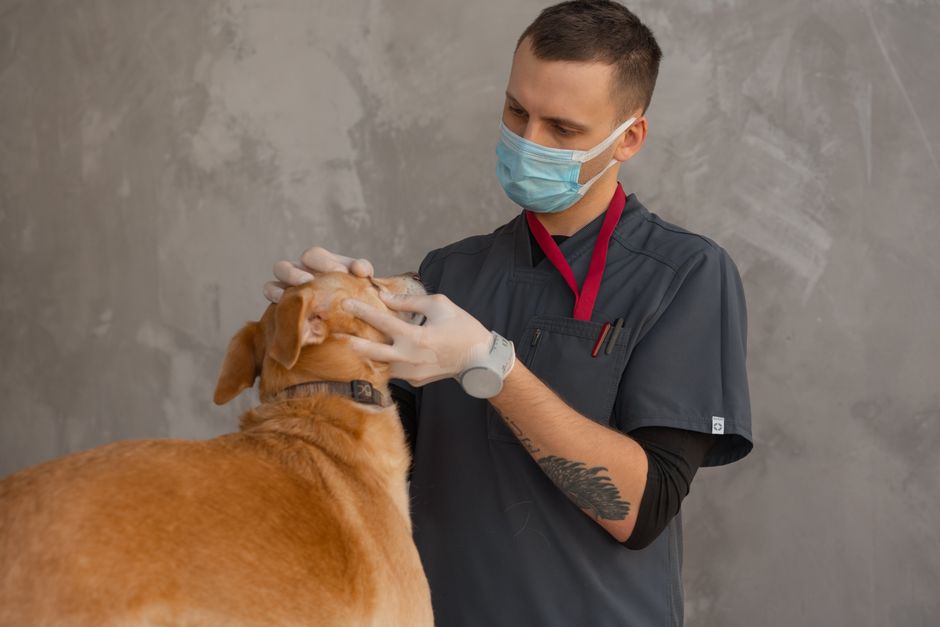
If you suspect your pet has a flea or tick problem, scheduling an appointment with our veterinary team at Coble Animal Hospital is the best first step. During your visit, our veterinarians will perform a thorough examination, looking for evidence of parasites, skin irritation, or signs of secondary infection. We may use digital radiology to rule out underlying issues if your pet is showing more serious symptoms, such as persistent lameness or unexplained fever.
For flea infestations, treatment often involves a combination of topical or oral medications designed to kill adult fleas and prevent eggs from hatching. Our on-site pharmacy allows us to dispense the most effective, veterinarian-approved products tailored to your pet's age, weight, and health status. In some cases, we may recommend medicated shampoos or sprays to provide immediate relief from itching and discomfort. Severe infestations may require a plan to treat your home environment as well, since flea eggs and larvae can persist in carpets and furniture.
Tick removal is best performed at the clinic, especially if the tick is embedded or in a sensitive area. Our veterinary professionals use safe techniques to ensure the entire tick is removed without leaving mouthparts behind, which reduces the risk of infection. If a tick-borne disease is suspected, we may recommend blood tests and additional treatments to address any complications.
Throughout the process, our team will guide you on what to expect, how to monitor your pet for side effects, and when to return for follow-up care. Our goal is to resolve the immediate problem and set your pet up for long-term parasite protection.
Preventing Fleas and Ticks at Home: Practical Tips for Pet Owners
The best strategy for fleas and ticks is prevention. Protecting your pet starts with consistent use of veterinarian-recommended parasite preventives, which are available in topical, oral, or collar forms. These products should be given year-round, but are especially important during the warmer months when parasite activity is highest in Springfield and surrounding communities.
Keeping your yard tidy helps reduce the risk of exposure. Regularly mowing the lawn, removing leaf litter, and trimming bushes can limit tick habitats. Washing your pet's bedding, vacuuming carpets, and cleaning floors frequently will also help disrupt the flea life cycle indoors. After walks or playtime outside, take a moment to check your dog or cat for any attached ticks, focusing on hidden areas like under the collar, around the ears, and between toes.
It is important to avoid using over-the-counter treatments without guidance, since some products may be ineffective or unsafe for certain pets. Cats, in particular, are sensitive to certain chemicals found in dog-only products. Our veterinary team can help you choose the right prevention plan tailored to your pet's lifestyle and risk factors.
If you have recently moved, adopted a new pet, or had a flea or tick problem in the past, speak with our veterinarians about creating a comprehensive prevention routine. Regular checkups give us a chance to assess your pet's health and update their parasite protection as needed.
When to Seek Veterinary Care for Fleas and Ticks
While many pet owners are comfortable removing an occasional tick or treating minor flea problems at home, there are times when professional veterinary care is necessary. If your pet is scratching excessively, losing hair, or has red, irritated skin that does not improve within a day or two, it is time to schedule an appointment. Additional warning signs include visible parasites that you cannot remove, signs of infection (such as swelling, pus, or a foul odor), or any sudden changes in your pet's behavior, appetite, or energy level.
Pets with underlying health conditions, senior animals, or young puppies and kittens are more vulnerable to the complications of flea and tick infestations. Fleas can cause severe anemia, especially in small or sick pets, while ticks can transmit serious diseases that require prompt diagnosis and treatment. Never attempt to use multiple parasite products at once without veterinary advice, as this can increase the risk of toxicity.
If you are unsure whether your pet needs to be seen, our team at Coble Animal Hospital is always here to answer your questions and provide guidance. Timely intervention can make all the difference in your pet's recovery and comfort.
Keeping Your Pet Safe All Season Long: Partnering With Your Veterinarian
Protecting your dog or cat from fleas and ticks is an ongoing effort, especially in Illinois' unpredictable summer weather. By understanding the risks, recognizing early signs of trouble, and working closely with a trusted veterinary team, you can enjoy the season with peace of mind. At Coble Animal Hospital, our veterinarians are committed to providing the highest quality preventive care, effective treatments, and compassionate support for you and your pet.
If you are searching for a veterinarian near me who understands the unique challenges of local parasite prevention, look no further than our practice in Springfield, IL. We invite you to schedule an appointment for a summer checkup, discuss the best flea and tick prevention options, or address any concerns you have about your pet's health. Our team is here to help you navigate every season with confidence and care.
For questions or to book your next visit, call us at (217) 789-0011. Let us partner with you to keep your pet safe, healthy, and happy all summer long.
Medical Disclaimer: This article is intended for informational purposes only and does not replace the need for professional veterinary diagnosis or treatment. If your pet is experiencing symptoms or you have concerns about their health, please contact your veterinarian promptly.