
How to Handle Vomiting in Pets: Signs You Shouldn’t Ignore

How to Handle Vomiting in Pets: Signs You Shouldn’t Ignore
When your beloved cat or dog starts vomiting, it’s natural to feel concerned and even a bit overwhelmed. Every pet owner knows that occasional stomach upset can happen, but how do you know when vomiting in pets signals something serious? At Coble Animal Hospital, conveniently located at 2525 East Sangamon Avenue, Springfield, IL 62702, our veterinary team understands how distressing it can be to watch your pet struggle. We’re here to help you recognize important pet illness symptoms, understand potential causes, and know when to seek professional care.
In this guide, you’ll learn how to spot the difference between a minor upset and a more serious condition, how our digital radiology and on-site laboratory help us quickly diagnose vomiting in pets, and steps you can take to ensure your pet’s well-being. Whether you’re searching for the best “vet near me” or want to know more about pet diagnostics in Springfield, you’ll find answers and reassurance from our experienced veterinarians. If you suspect your pet’s vomiting may be more than just a passing issue, remember you can always schedule an appointment with our team for prompt, comprehensive care. Discover how Coble Animal Hospital supports pet health in Springfield and surrounding communities, and why families trust us for veterinary services near me.
Recognizing Vomiting in Pets and What It Could Mean
Vomiting in pets is a common complaint, but it’s important to understand what vomiting actually looks like and when it should prompt concern. The act of vomiting is the forceful expulsion of stomach contents, which is different from regurgitation, where food comes up effortlessly and often undigested. Knowing this distinction allows you to describe your pet’s symptoms more accurately when you contact your veterinarian.
Key signs that your pet is experiencing true vomiting include retching or heaving, abdominal contractions, and the presence of partially digested food, bile, or frothy liquid. Sometimes, vomiting is accompanied by other pet illness symptoms such as lethargy, drooling, loss of appetite, or diarrhea. In cats, you may notice hairballs mixed with stomach contents; in dogs, you might see grass or foreign material. While a single episode of vomiting may not be cause for immediate alarm, repeated vomiting or the presence of blood, foreign objects, or severe lethargy should be taken seriously.
Pet owners in Springfield and surrounding communities are familiar with seasonal changes that may influence gastrointestinal upset, such as sudden dietary changes, ingestion of outdoor plants, or increased exposure to parasites during warmer months. Recognizing these triggers can sometimes help you and your veterinarian pinpoint the cause more quickly. If you notice ongoing or severe vomiting, it’s important to act promptly, as dehydration and other complications can develop quickly, especially in young, elderly, or chronically ill pets.
Common Causes of Vomiting in Cats and Dogs
Understanding why vomiting occurs in pets can provide valuable insight into whether your pet needs immediate attention. Vomiting in pets can result from a wide range of causes, from benign to potentially life-threatening conditions. Common causes include dietary indiscretion, such as eating spoiled food, garbage, or table scraps. Sudden changes in diet, ingesting foreign objects like toys or string, or consuming toxic substances such as certain plants or human medications are also frequent culprits.
Infectious diseases, intestinal parasites, and underlying health conditions like kidney disease, liver disease, or pancreatitis may manifest with vomiting as a primary symptom. Inflammatory bowel disease, food allergies, or even stress-related gastrointestinal upset can also trigger vomiting in both cats and dogs. For pets living in Springfield, the local environment can occasionally introduce unique risks, such as exposure to certain lawn chemicals or seasonal allergens.
Sometimes, vomiting in pets is a sign of a more serious underlying issue such as gastrointestinal obstruction, cancer, or severe infections. These cases often present with additional symptoms like persistent diarrhea, abdominal pain, bloating, or sudden weight loss. The presence of blood in your pet’s vomit or stool, a distended abdomen, or collapse are critical signs that warrant immediate veterinary attention. If you’re unsure about the severity of your pet’s condition, erring on the side of caution and seeking veterinary diagnostics in Springfield can make all the difference.
How Veterinarians Diagnose and Treat Vomiting in Pets
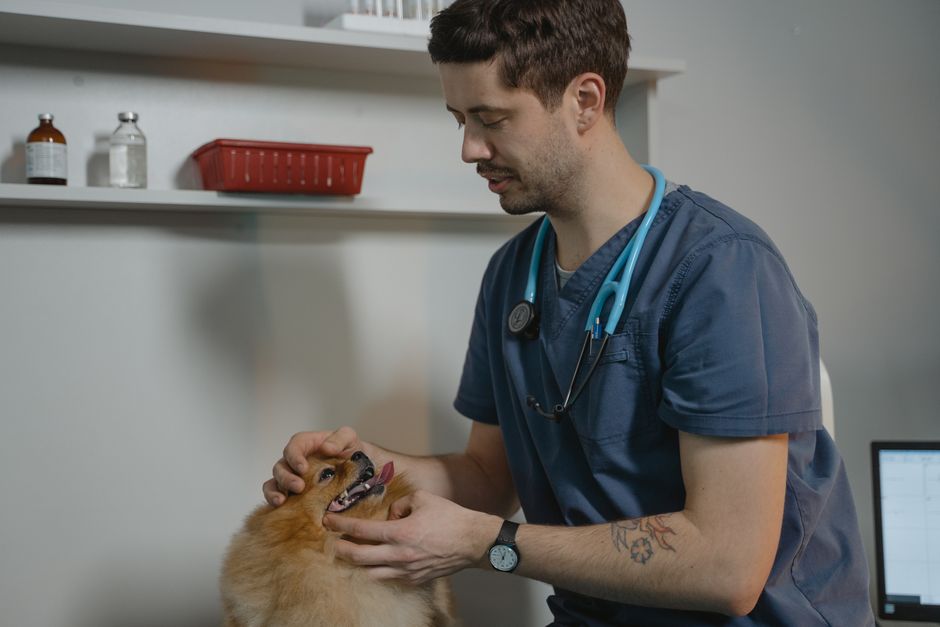
When you bring your vomiting pet to Coble Animal Hospital, our veterinary professionals start by taking a thorough medical history and performing a physical examination. This helps us determine whether the vomiting is likely caused by a minor upset or a more serious underlying problem. We may ask about recent dietary changes, potential toxin exposure, access to foreign objects, and any changes in your pet’s behavior or activity level.
To reach a diagnosis, our team may recommend diagnostic tests that are conveniently available on-site, such as bloodwork, fecal analysis, and urinalysis. These tests can help us assess for infections, organ dysfunction, or metabolic issues. For more complex cases, our diagnostic laboratory provides rapid results to guide treatment decisions. Additionally, our digital radiology technology offers advanced imaging to identify problems such as obstructions, tumors, or abnormalities in the stomach and intestines. This comprehensive approach to pet diagnostics near me ensures we can act quickly and accurately for pets in Springfield and the surrounding area.
Treatment options depend on the underlying cause and severity of your pet’s vomiting. For mild, uncomplicated cases, we may recommend anti-nausea medications, fluid therapy to correct dehydration, and temporary dietary adjustments. More severe or persistent cases may require hospitalization, intravenous fluids, pain management, or even surgery if a blockage or other critical issue is identified. Our prompt care services allow us to treat a range of non-life-threatening pet illnesses quickly and efficiently, so your pet can get back to feeling their best.
Throughout every step, our veterinary team will keep you informed, answer your questions, and provide compassionate support. Pet owners appreciate having access to advanced pet diagnostic laboratory services in Springfield, as it allows for faster diagnoses and treatment plans tailored to each pet’s unique needs.
Steps You Can Take at Home and Prevention Tips
While some causes of vomiting in pets require professional intervention, there are steps you can take at home to minimize risk and support your pet’s recovery. At the first sign of vomiting, it’s wise to temporarily withhold food for several hours, allowing your pet’s stomach to settle. Always provide fresh water to prevent dehydration, but monitor intake, as drinking large amounts at once can trigger further vomiting.
Once vomiting subsides, you can gradually reintroduce a bland diet, such as boiled chicken and rice for dogs or a veterinarian-recommended gastrointestinal formula for cats. Monitor your pet closely for improvement or worsening symptoms, and avoid giving treats, table scraps, or new foods during recovery. Preventive measures involve maintaining a consistent, high-quality diet, keeping trash and toxic substances out of reach, and regularly deworming pets, especially during peak parasite seasons in Springfield.
Routine wellness visits play a vital role in early detection of underlying health problems. Our wellness examination services are designed to catch issues before they become serious, ensuring your pet stays healthy year-round. Staying up-to-date with vaccinations and parasite control further reduces the risk of illnesses that can cause vomiting.
It’s important to note that while mild, isolated vomiting may resolve with home care, ongoing or severe symptoms always warrant veterinary attention. If your pet refuses food for more than a day, shows signs of abdominal pain, has blood in vomit or stool, or appears weak, do not delay in seeking help from a veterinarian near me.
When to Seek Veterinary Care for Vomiting in Pets
Knowing when to call your veterinarian is crucial for your pet’s safety. Situations that require immediate medical attention include repeated vomiting over several hours, vomiting combined with diarrhea or lethargy, blood in vomit or stool, signs of dehydration such as dry gums or sunken eyes, and evidence of having swallowed a foreign object or toxin. Puppies, kittens, elderly pets, or those with chronic health conditions are especially vulnerable to complications and should be seen promptly.
If you’re ever unsure about the severity of your pet’s vomiting, our veterinary team at Coble Animal Hospital is here to guide you. Our experienced professionals provide comprehensive care, utilizing digital radiology and on-site laboratory diagnostics for pets in Springfield to deliver rapid assessments and effective treatment. We encourage pet owners to schedule an appointment rather than wait and see, as early intervention often leads to better outcomes.
Remember that your voice as a pet owner matters; you know your pet’s normal behavior and habits better than anyone. If something simply doesn’t seem right, don’t hesitate to reach out for help. Our commitment to quality veterinary services near me ensures your pet receives the expert attention they deserve, right here in Springfield.
Compassionate Care for Vomiting in Pets at Coble Animal Hospital
Vomiting in pets can be alarming, but you don’t have to face it alone. At Coble Animal Hospital, we’re dedicated to providing prompt, thorough, and compassionate care to pets in Springfield and the surrounding communities. Our modern facility at 2525 East Sangamon Avenue, Springfield, IL 62702 offers the latest in pet diagnostic laboratory services and advanced digital radiology, so your pet gets answers and relief as quickly as possible.
If your pet is showing signs of vomiting or other pet illness symptoms, schedule an appointment with our veterinary professionals today. We’ll work closely with you to uncover the cause, provide tailored treatment, and support your pet’s recovery every step of the way. For families searching for a trusted “vet near me” or the best veterinary diagnostics in Springfield, Coble Animal Hospital is here to help.
Take the next step for your pet’s health and peace of mind. Call us at (217) 789-0011 to book your visit or learn more about our diagnostic laboratory and prompt care services. Your companion’s comfort, safety, and well-being are always our top priorities.
This blog is intended for informational purposes only and does not replace professional veterinary advice. If you are concerned about your pet’s health or symptoms, please consult with your veterinarian promptly.