

How to Prepare Your Pet for Surgery at Coble Animal Hospital
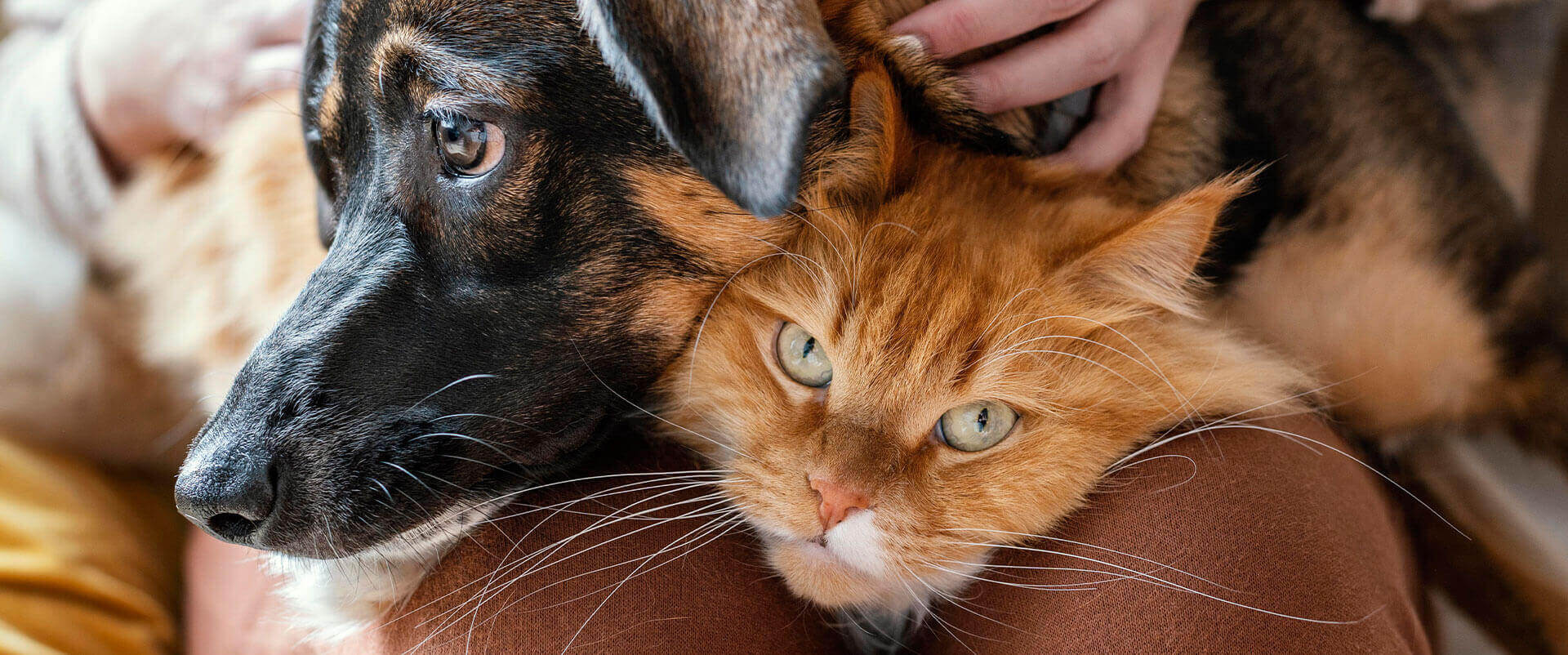
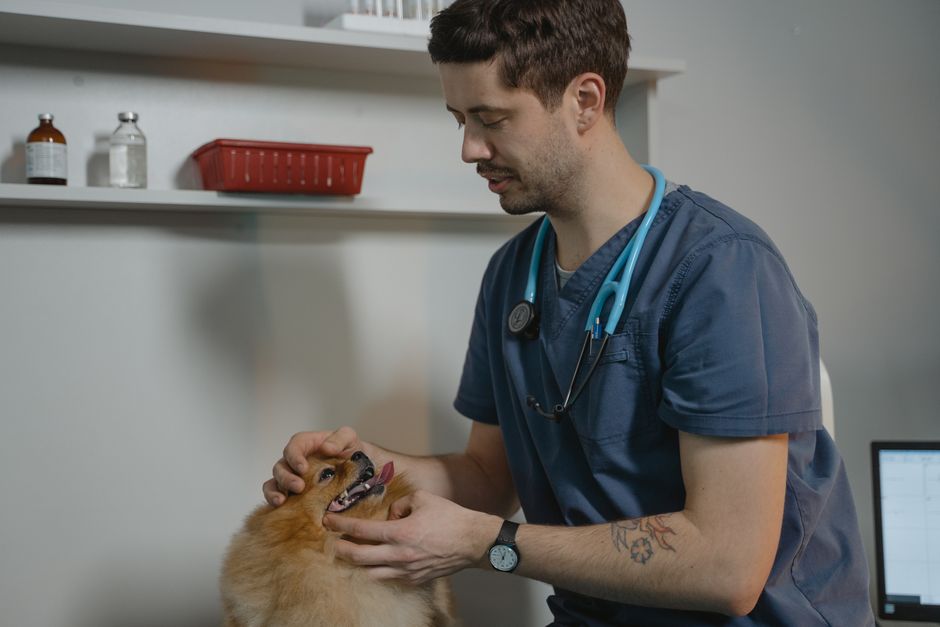
How to Prepare Your Pet for Surgery at Coble Animal Hospital
If your dog or cat is scheduled for surgery at Coble Animal Hospital in Springfield, IL, you may be feeling a mix of concern and uncertainty. Whether your pet needs a routine spay or neuter, a dental procedure, or a more advanced operation, preparing in advance is the key to a smooth experience and successful recovery. Our team of veterinarians understands that this can be a stressful time for pet owners, which is why we are dedicated to supporting you and your pet every step of the way. In this comprehensive guide, you’ll discover how to prepare your pet before surgery, what to expect on the day of the procedure, and the best ways to care for your companion afterward. We’ll also share tips specific to the Springfield area and highlight how our full-service hospital and advanced technology can make a difference during your pet’s surgical journey.
We encourage you to connect with us for any concerns, and remember, our veterinary team is here to answer your questions, provide thorough pre-surgical evaluations, and guide you as your pet recovers. For more information on our surgical capabilities, you can learn about our advanced surgical care and explore our wellness examination services for a holistic approach to your pet’s health.
Recognizing When Surgery is Needed for Your Pet
Understanding when your pet requires surgery can help you act quickly and ensure the best possible outcome. Surgery is recommended for a variety of reasons, ranging from preventive procedures to urgent medical interventions. Common reasons your veterinarian might advise surgery include spay or neuter sterilization, removal of growths or masses, dental extractions for infected teeth, repair of broken bones or torn ligaments, and treatment of internal issues like bladder stones or foreign object ingestion. Additionally, chronic health problems such as recurring ear infections or certain types of tumors may also necessitate surgical intervention.
Some signs that your pet may need surgical evaluation include persistent limping, difficulty eating or chewing, swelling or lumps under the skin, changes in behavior such as increased lethargy or withdrawal, recurring infections that don’t resolve with medication, and difficulty urinating or defecating. If you notice any of these symptoms, it is important to schedule an evaluation with our veterinary team promptly. Early intervention can minimize complications and provide your pet with the best chance at a full recovery.
Why Pets Require Surgery: Common Causes and What to Know
Surgery in dogs and cats is often required for both preventive and therapeutic reasons. Spaying and neutering are among the most common surgeries performed to prevent unwanted litters and reduce the risk of certain cancers and behavioral issues later in life. Dental surgeries, such as cleanings and extractions, help manage periodontal disease and prevent pain or infection. Orthopedic surgeries address broken bones, torn cruciate ligaments, or joint issues that can severely impact your pet’s mobility and quality of life.
Other causes for surgery may include removal of masses or tumors, which can be benign or cancerous, and emergency procedures for pets who have ingested foreign items or developed life-threatening conditions like gastric dilatation-volvulus (bloat) in dogs. Each pet’s situation is unique, and our veterinarians will use advanced diagnostics such as digital radiology and laboratory testing to determine the best surgical plan. You can find more details about our diagnostic laboratory capabilities and how they support safe surgical outcomes for your pet.
Preparing Your Pet for Surgery: Steps Before the Procedure
Proper preparation helps minimize surgical risks and reduces stress for both pets and their owners. In the days leading up to your pet’s surgery at Coble Animal Hospital, our veterinarians will provide specific instructions based on your pet’s age, health status, and the type of procedure. Typical steps include scheduling a pre-surgical examination to check for any underlying health concerns, updating necessary vaccinations, and conducting bloodwork to ensure safe anesthesia.
The night before surgery, you will likely be asked to withhold food after a certain hour, usually around midnight, to reduce the risk of vomiting during anesthesia. Water may be permitted until the morning, but it is important to follow the guidelines given by our team. On the morning of the surgery, make sure your pet is safely secured in a carrier or on a leash, and allow extra time for check-in at our hospital. We recommend bringing along any current medications, a list of questions, and your pet’s favorite comfort item to help ease their nerves.
If you have concerns about anesthesia or your pet has a history of medical conditions, discuss these with our veterinary team during your pre-surgical visit. Our on-site pharmacy enables us to tailor pain management and post-operative medications to your pet’s needs, ensuring a comfortable and safe experience.
What to Expect on the Day of Surgery at Coble Animal Hospital
When you arrive at our 2525 East Sangamon Avenue, Springfield, IL 62702 location, our friendly veterinary professionals will review your pet’s surgical plan and answer any last-minute questions. You’ll complete any necessary paperwork, and our team will perform a brief health check to confirm your pet’s readiness for anesthesia.
During the procedure, your pet will be closely monitored by our experienced staff using advanced anesthesia protocols and monitoring equipment. Depending on the type of surgery, procedures may last from under an hour to several hours. Once completed, your pet will be observed in our recovery area until they are awake, stable, and comfortable. Some surgeries, such as routine spays or neuters, allow for same-day discharge, while more complex surgeries may require an overnight stay for additional monitoring.
Our veterinarians will contact you with updates and let you know when your pet is ready to go home. They will also provide detailed instructions for at-home care, including medication schedules, activity restrictions, and signs to watch for during recovery.
Caring for Your Pet After Surgery: Recovery and Home Management
A successful recovery at home is just as important as the surgery itself. After your pet returns home, it is crucial to provide a calm, quiet space where they can rest undisturbed. Keep your pet’s activity restricted, especially if they have stitches or surgical incisions that need time to heal. Prevent running, jumping, or playing with other pets until your veterinarian gives the all-clear. Your pet may need to wear an Elizabethan collar (cone) to prevent licking or chewing at the incision site.
Follow your veterinarian’s medication instructions carefully, administering pain relief and antibiotics as prescribed. Signs of a smooth recovery include eating and drinking normally, minimal swelling or redness around the incision, and gradual return to normal behavior. If you notice excessive swelling, discharge, persistent pain, vomiting, diarrhea, or reluctance to move, contact our veterinary team immediately for guidance.
To support your pet’s healing, offer small, easily digestible meals and fresh water. Gently monitor the incision for any changes, and avoid bathing your pet until stitches are removed or the site is fully healed. Regular check-ins, either by phone or during follow-up visits, allow us to monitor your pet’s progress and address any concerns. Our pain management options are designed to keep your pet comfortable throughout the recovery process.
How to Prevent Complications: Tips for Smooth Surgical Outcomes
While surgery always carries some degree of risk, careful preparation and diligent aftercare help prevent most complications. Steps to reduce risk include keeping your pet current on vaccinations, maintaining a healthy weight, and informing your veterinarian of any previous reactions to anesthesia or medications. Adhering to pre-operative fasting guidelines, keeping your pet indoors before and after surgery, and limiting exposure to other animals can further minimize the risk of infection or delayed healing.
Regular wellness examinations and early intervention for health concerns play a key role in identifying issues before they become surgical emergencies. Our veterinary team recommends annual or semi-annual visits, where we can detect and address problems early. If you have questions about the best preventive care for your dog or cat, our team is always here to help. For more details about our approach to overall pet health, explore our wellness examination services.
When to Contact Your Veterinarian: Recognizing Post-Surgical Concerns
Knowing when to seek help from your veterinary team can make a significant difference in your pet’s recovery. Warning signs to watch for after surgery include persistent bleeding, foul-smelling discharge, refusal to eat or drink for more than 24 hours, labored breathing, or sudden changes in behavior. If your pet seems unusually lethargic, vocalizes in pain, or you have any doubts about the healing process, do not hesitate to contact us for further evaluation.
Our team at Coble Animal Hospital is committed to providing prompt support and guidance. If you are ever unsure about your pet’s symptoms or need reassurance, we encourage you to reach out by phone or schedule a follow-up appointment. Our FAQ page also offers answers to common questions about surgery preparation and recovery.
Supporting Pet Owners in Springfield and Beyond
At Coble Animal Hospital, we know that your pet is a cherished member of your family, and we are honored to be part of their health journey. Our commitment to advanced surgical care, compassionate support, and ongoing wellness makes us a trusted resource for pet owners in Springfield and surrounding communities. Whether your dog or cat is facing a planned procedure or you have questions about their recovery, our team of veterinarians is here to help with expertise and understanding.
If you are searching for a "vet near me" who combines modern technology with a caring touch, we invite you to experience the difference at Coble Animal Hospital. To schedule a surgical consultation, ask about our preventive care programs, or address any concerns about your pet’s upcoming procedure, call us at (217) 789-0011 or visit our 2525 East Sangamon Avenue, Springfield, IL 62702. For more resources or to manage your pet’s health records, explore our patient portal or connect with our veterinary professionals online.
Your pet’s health and comfort are our top priorities. Thank you for trusting us to care for your companions before, during, and after surgery.